


Hey there! As a supplier of brass connectors, I often get asked about the conductivity of these little but crucial components. So, let's dive right into it and find out what makes brass connectors such a great choice when it comes to electrical conductivity.

First off, let's talk a bit about brass itself. Brass is an alloy made primarily of copper and zinc. The proportion of these two metals can vary, which in turn affects the properties of the brass, including its conductivity. Generally, brass has a pretty good electrical conductivity, though it's not as high as pure copper. But hey, that doesn't mean it's not a top - notch option for connectors.
The conductivity of a material is measured in siemens per meter (S/m). Copper, known for its excellent conductivity, has a conductivity of about 5.96×10⁷ S/m at room temperature. Brass, on the other hand, has a conductivity that ranges from about 1.5×10⁷ to 2.0×10⁷ S/m, depending on the exact composition of the alloy. This means that brass can still efficiently conduct electricity, making it suitable for a wide range of electrical applications.
One of the reasons brass is so popular for connectors is its balance of properties. While it doesn't have the same conductivity as pure copper, it offers other advantages that make it a practical choice. For example, brass is more corrosion - resistant than copper. This is super important because in many electrical applications, connectors are exposed to various environmental conditions. Corrosion can lead to increased resistance, which in turn can cause overheating and other electrical problems. With brass connectors, you get a level of protection against corrosion, ensuring a more stable and long - lasting electrical connection.
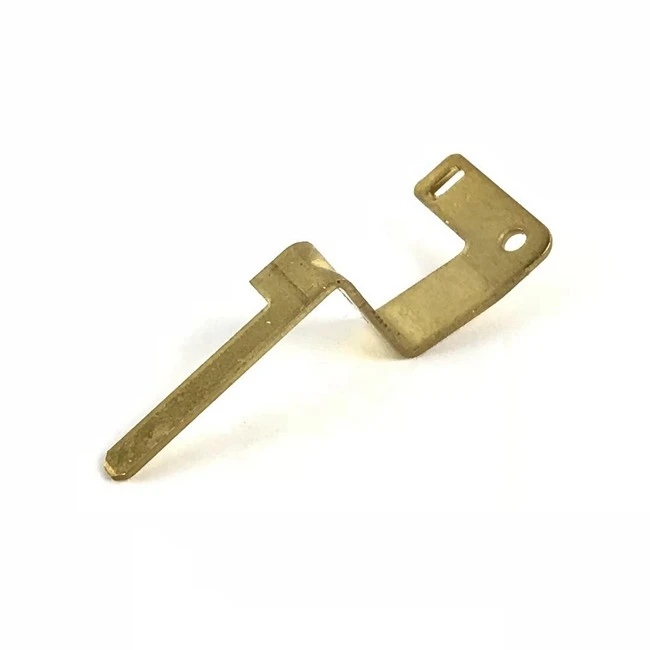
Another benefit is its malleability. Brass is relatively easy to shape and form into different connector designs. Whether you need a simple Brass Electrical Terminal Connector or a more complex one, brass can be machined to meet your specific requirements. This flexibility in design allows for better integration into different electrical systems.
Now, let's talk about some of the factors that can affect the conductivity of brass connectors. The first is the composition of the brass. As I mentioned earlier, the ratio of copper to zinc can vary. A higher copper content generally means higher conductivity. So, if you need a connector with better electrical performance, you might want to look for brass with a higher copper percentage.
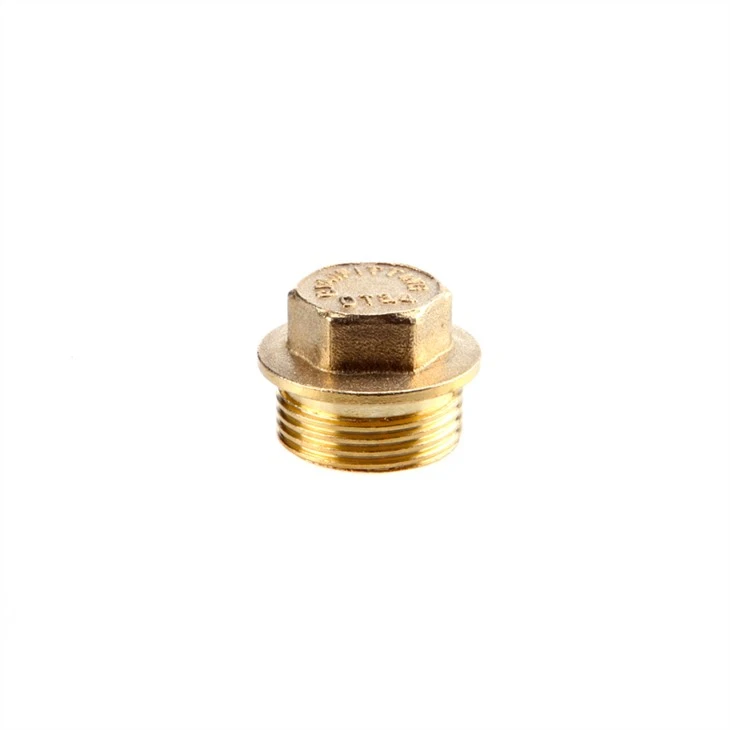
The manufacturing process also plays a role. If the brass is not properly processed, it can have impurities or structural defects that can reduce its conductivity. At our place, we use high - quality raw materials and state - of - the - art manufacturing techniques to ensure that our brass connectors have optimal conductivity.
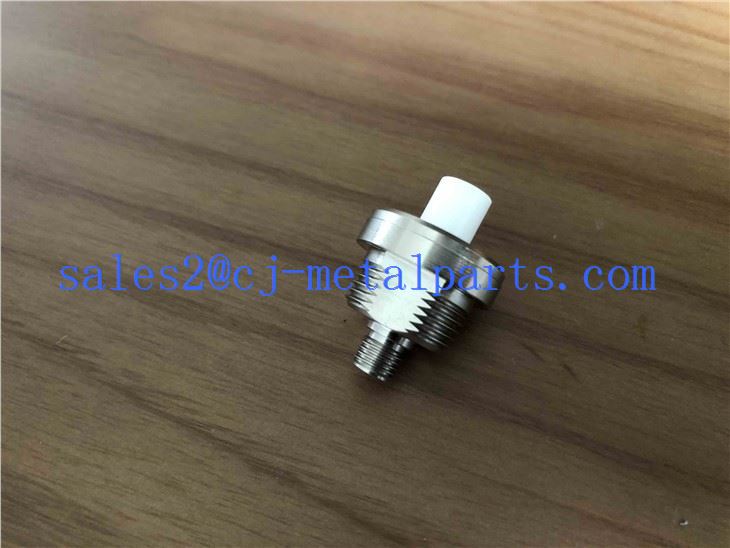
Surface finish is another factor. For instance, High - end Connector Nickel Plating can be applied to brass connectors. Nickel plating not only enhances the corrosion resistance of the connector but can also have an impact on its conductivity. In some cases, a well - plated surface can improve the electrical contact and thus the overall conductivity of the connector.
When it comes to applications, brass connectors are used in a wide variety of industries. In the automotive industry, they are used in electrical systems to connect different components such as sensors, lights, and ignition systems. In the telecommunications industry, brass connectors are used to ensure reliable electrical connections in cables and equipment. And in the electronics industry, they are found in everything from circuit boards to power supplies.
If you're in the market for brass terminal connectors, you'll want to consider the conductivity along with other factors like size, shape, and durability. We offer a wide range of brass connectors to meet different needs. Whether you need a small, simple connector for a DIY project or a large - scale connector for an industrial application, we've got you covered.
We understand that every customer has unique requirements, and that's why we're committed to providing high - quality brass connectors at competitive prices. Our team of experts is always on hand to answer your questions and help you find the right connector for your specific application.
If you're interested in learning more about our brass connectors or have any questions about their conductivity or other properties, don't hesitate to get in touch. We'd love to have a chat with you and discuss how our products can meet your needs. Whether you're a small business owner or a large - scale manufacturer, we're here to support you in your procurement process. So, drop us a line and let's start a conversation about how we can work together to get you the best brass connectors for your projects.
References
- "Introduction to Materials Science for Engineers" by James F. Shackelford
- "Electrical Conductivity of Metals and Alloys" - Journal of Applied Physics