


Installing metal support brackets on a composite material surface is a task that requires careful planning, the right tools, and a clear understanding of the materials involved. As a supplier of metal support brackets, I've seen firsthand the importance of proper installation for ensuring the longevity and functionality of these brackets. In this blog post, I'll guide you through the process of installing metal support brackets on a composite material surface, sharing tips and best practices along the way.
Understanding the Materials
Before you begin the installation process, it's crucial to understand the properties of both the metal support brackets and the composite material surface. Composite materials are made by combining two or more different materials with distinct properties to create a new material with enhanced characteristics. These materials can vary widely in terms of their composition, strength, and durability, so it's important to choose the right type of metal support bracket for your specific application.
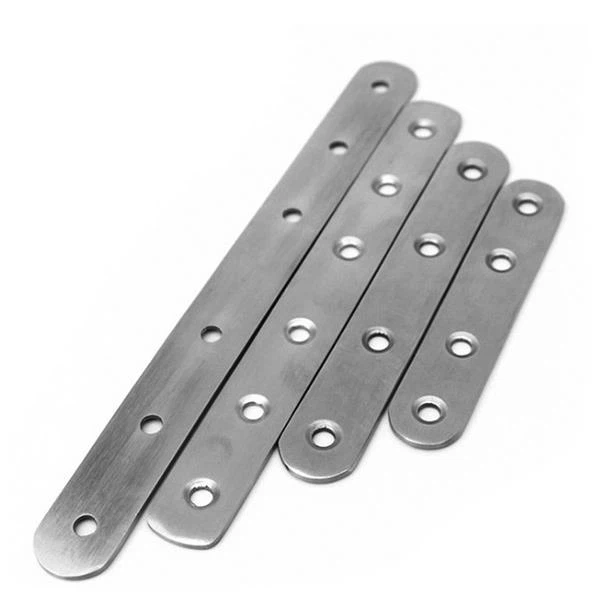
When selecting metal support brackets for a composite material surface, consider factors such as the weight and load capacity of the brackets, the type of composite material you're working with, and the environmental conditions in which the brackets will be installed. For heavy-duty applications, Heavy Duty Steel U Brackets are an excellent choice, as they offer high strength and durability. For lighter loads or applications where space is limited, Flat Support Bracket or Stamping Bracket may be more suitable.

Preparing the Surface
Once you've selected the appropriate metal support brackets, the next step is to prepare the composite material surface for installation. Start by cleaning the surface thoroughly to remove any dirt, debris, or contaminants that could interfere with the adhesion of the brackets. You can use a mild detergent and water to clean the surface, followed by a dry cloth to remove any excess moisture.
After cleaning the surface, it's important to ensure that it is flat and smooth. Use a sandpaper or a file to remove any rough edges or uneven areas on the surface. This will help to ensure a secure and stable installation of the metal support brackets.
Marking the Installation Points
Before installing the metal support brackets, you need to mark the installation points on the composite material surface. Use a measuring tape or a ruler to measure and mark the exact location where the brackets will be installed. Make sure to mark the holes for the screws or bolts that will be used to secure the brackets to the surface.
It's important to ensure that the installation points are evenly spaced and aligned properly. This will help to distribute the weight and load evenly across the brackets, preventing any stress or strain on the composite material surface.
Drilling the Holes
Once you've marked the installation points, the next step is to drill the holes for the screws or bolts. Use a drill bit that is the appropriate size for the screws or bolts you'll be using. Make sure to drill the holes straight and perpendicular to the surface to ensure a secure and stable installation.
When drilling the holes, it's important to take precautions to prevent damage to the composite material surface. Use a slow speed and apply gentle pressure to avoid cracking or splintering the material. You may also want to use a backing board or a piece of scrap wood to support the surface and prevent any damage from the drill bit.
Installing the Metal Support Brackets
After drilling the holes, it's time to install the metal support brackets. Place the brackets over the holes on the composite material surface and align them properly. Insert the screws or bolts through the holes in the brackets and into the holes in the surface. Use a screwdriver or a wrench to tighten the screws or bolts securely.
Make sure to tighten the screws or bolts evenly to ensure a secure and stable installation. Over-tightening the screws or bolts can cause damage to the composite material surface, while under-tightening them can result in a loose and unstable installation.
Testing the Installation
Once you've installed the metal support brackets, it's important to test the installation to ensure that it is secure and stable. Apply a gentle pressure to the brackets to check for any movement or looseness. If you notice any movement or looseness, tighten the screws or bolts further or adjust the brackets as needed.
You may also want to test the load capacity of the brackets by placing a weight on them. Make sure to follow the manufacturer's recommendations for the maximum load capacity of the brackets to avoid overloading them.
Maintenance and Care
After installing the metal support brackets, it's important to perform regular maintenance and care to ensure their longevity and functionality. Inspect the brackets periodically for any signs of damage or wear, such as rust, corrosion, or cracks. If you notice any damage or wear, replace the brackets immediately to prevent any further damage or safety hazards.
You can also clean the brackets periodically to remove any dirt, debris, or contaminants that could interfere with their performance. Use a mild detergent and water to clean the brackets, followed by a dry cloth to remove any excess moisture.
Conclusion
Installing metal support brackets on a composite material surface is a relatively straightforward process that requires careful planning, the right tools, and a clear understanding of the materials involved. By following the steps outlined in this blog post, you can ensure a secure and stable installation of the brackets, providing long-lasting support and functionality for your application.
If you have any questions or need further assistance with installing metal support brackets on a composite material surface, please don't hesitate to contact us. As a leading supplier of metal support brackets, we have the expertise and experience to help you find the right solution for your specific needs. We offer a wide range of high-quality metal support brackets, including Heavy Duty Steel U Brackets, Flat Support Bracket, and Stamping Bracket, at competitive prices. Contact us today to learn more about our products and services and to discuss your specific requirements.
References
- "Composite Materials Handbook." National Aeronautics and Space Administration (NASA).
- "Installation Guide for Metal Support Brackets." Manufacturer's Manual.