


As a supplier of stamping brackets, ensuring the proper alignment of these components is crucial for the quality and functionality of the end - products. In this blog, I will share some effective methods on how to check the alignment of a stamping bracket.
Understanding the Importance of Alignment
Before delving into the inspection methods, it's essential to understand why alignment is so vital. A well - aligned stamping bracket provides stable support and ensures that the connected parts function as intended. Misaligned brackets can lead to premature wear and tear, reduced structural integrity, and even safety hazards in some applications. For instance, in automotive or aerospace industries, a misaligned bracket can compromise the performance of critical systems.
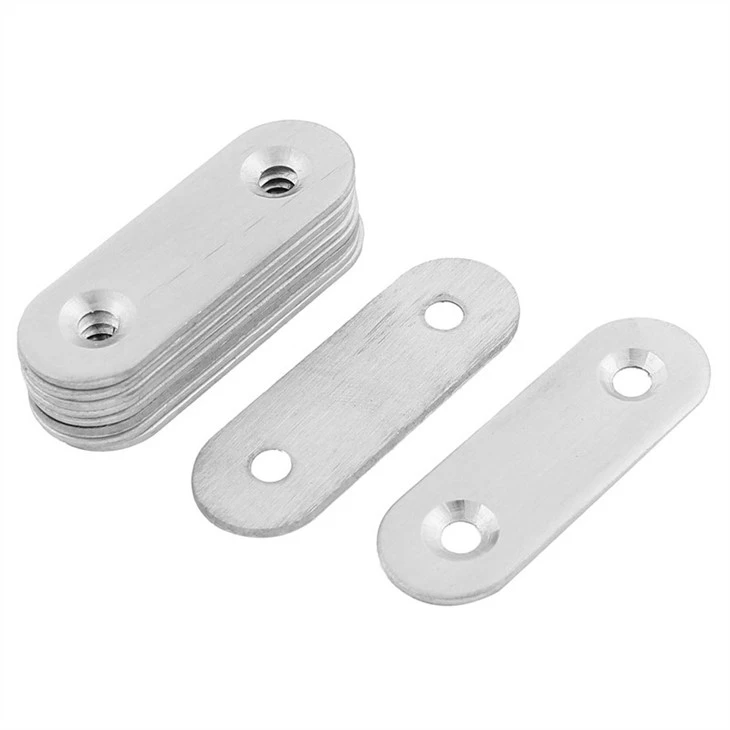

Visual Inspection
The first and simplest method for checking the alignment of a stamping bracket is visual inspection. This involves a thorough examination of the bracket's shape, position, and the relationship with other components.
- Shape and Structure: Look for any visible signs of deformation, such as bends, twists, or cracks. A deformed bracket is likely to be misaligned. For example, if the edges of the bracket are not straight or if there are uneven surfaces, it may indicate a problem with the stamping process or subsequent handling.
- Position in the Assembly: Check the bracket's position relative to other parts it is supposed to connect. It should fit snugly and align with the mounting holes or mating surfaces. If the bracket is off - center or at an incorrect angle, it will not function properly.
Using Measuring Tools
Visual inspection can only go so far. To get more accurate results, we need to use measuring tools.
Calipers
Calipers are versatile tools that can measure the dimensions of the bracket precisely.
- External Dimensions: Measure the length, width, and height of the bracket. Compare these measurements with the design specifications. Any significant deviation may suggest misalignment. For example, if the length of the bracket is shorter or longer than the specified value, it could affect how it fits into the assembly.
- Internal Dimensions: If the bracket has holes or slots, use calipers to measure their diameters and widths. Incorrect internal dimensions can prevent proper fitting of bolts or other connecting elements.
Micrometers
Micrometers offer even higher precision than calipers. They are particularly useful for measuring small features on the bracket, such as the thickness of a flange or the diameter of a small hole.
- Thickness Measurement: Measure the thickness of different parts of the bracket, especially areas that are critical for its strength and alignment. A variation in thickness can cause the bracket to be unevenly supported, leading to misalignment.
Gauges
There are various types of gauges that can be used to check the alignment of a stamping bracket.
- Feeler Gauges: These are used to measure the clearance between two surfaces. For example, if the bracket is supposed to fit against a flat surface, a feeler gauge can be used to check if there is a uniform gap. A non - uniform gap may indicate misalignment.
- Alignment Gauges: Specifically designed for checking the alignment of components, alignment gauges can quickly determine if the bracket is straight and in the correct position. They can be used to check the alignment of multiple brackets in an assembly.
Checking the Mounting Holes
The mounting holes of a stamping bracket are critical for its proper installation and alignment.
- Hole Location: Measure the distance between the mounting holes and compare it with the design drawings. The holes should be in the correct position relative to each other and the edges of the bracket. Incorrect hole location can make it impossible to install the bracket correctly.
- Hole Size and Roundness: Use calipers or hole gauges to check the size and roundness of the holes. A non - circular or oversized/undersized hole can cause problems when inserting bolts or other fasteners, leading to misalignment.
Assembly Testing
One of the best ways to check the alignment of a stamping bracket is through assembly testing.
- Mock - up Assembly: Create a mock - up of the final assembly using the bracket and other relevant parts. Try to install the bracket as it would be in the actual application. If there are difficulties in fitting the bracket, such as resistance when inserting bolts or misalignment of mating surfaces, it indicates a problem with the bracket's alignment.
- Function Testing: After the mock - up assembly, perform function testing. This may involve applying forces or loads to the assembly to see if the bracket performs as expected. If the bracket fails to support the load properly or causes the assembly to malfunction, it could be due to misalignment.
Quality Control in the Manufacturing Process
As a stamping bracket supplier, we also need to implement strict quality control measures during the manufacturing process to prevent misalignment issues.
- Tooling Maintenance: Regularly maintain the stamping tools. Worn - out or damaged tools can cause defects in the brackets, including misalignment. Check the dies for signs of wear, such as dull edges or cracks, and replace them as needed.
- Process Monitoring: Continuously monitor the stamping process parameters, such as pressure, speed, and temperature. Any deviation from the optimal settings can affect the quality of the brackets. For example, excessive pressure can cause the bracket to deform, leading to misalignment.
Case Studies
Let's take a look at some real - world examples to illustrate the importance of checking bracket alignment.
Automotive Industry
In the automotive industry, stamping brackets are used in various applications, such as engine mounts and suspension systems. A misaligned bracket in an engine mount can cause vibrations, which not only affect the driving experience but also lead to premature wear of engine components. By using the inspection methods mentioned above, automotive manufacturers can ensure that the brackets are properly aligned, improving the overall performance and reliability of the vehicles.
Electronics Industry
In electronics, stamping brackets are used to support circuit boards and other components. A misaligned bracket can cause poor electrical connections, leading to malfunctions or even complete failure of the electronic device. Through careful alignment checking, electronics manufacturers can reduce the number of defective products and improve customer satisfaction.
Conclusion
Checking the alignment of a stamping bracket is a multi - step process that requires a combination of visual inspection, the use of measuring tools, assembly testing, and strict quality control in the manufacturing process. As a stamping bracket supplier, we are committed to providing high - quality products that meet the strictest alignment requirements.
If you are in the market for stamping brackets, we offer a wide range of products, including Heavy Duty Steel U Brackets, Steel Mounting Bracket, and Flat Support Bracket. Our products are manufactured with precision and undergo rigorous alignment checks to ensure optimal performance.
If you have any questions or are interested in purchasing our stamping brackets, please feel free to contact us for further discussion and negotiation. We look forward to working with you to meet your specific needs.
References
- "Manufacturing Engineering and Technology" by Serope Kalpakjian and Steven R. Schmid
- "Measurement Systems Analysis" by AIAG (Automotive Industry Action Group)
- Industry - specific standards and guidelines for stamping bracket manufacturing and inspection.