


Can metal stamping plates be used for stamping in a vacuum environment? This is a question that often arises in the industrial manufacturing sector, especially among those involved in precision engineering and high - tech production. As a supplier of Metal Stamping Plates, I have encountered this query numerous times from our clients, and I believe it is worth delving into in detail.
The Basics of Metal Stamping
Before discussing the use of metal stamping plates in a vacuum environment, let's first understand the fundamentals of metal stamping. Metal stamping is a manufacturing process used to convert flat metal sheets into specific shapes through the use of stamping dies. These dies, which are often made from high - strength metals, apply pressure to the metal sheet, causing it to deform into the desired shape. This process is widely used in various industries, including automotive, aerospace, electronics, and consumer goods, due to its efficiency, precision, and cost - effectiveness.
Understanding Vacuum Environments
A vacuum environment is characterized by a low - pressure condition where the number of gas molecules is significantly reduced compared to the normal atmospheric environment. Vacuum environments are commonly used in industries such as semiconductor manufacturing, space simulation, and high - energy physics experiments. The absence of air in a vacuum environment can have several advantages, such as preventing oxidation, reducing contamination, and enabling more precise control of certain physical processes.
Factors Affecting the Use of Metal Stamping Plates in a Vacuum
1. Lubrication
In a normal stamping process, lubricants are often used to reduce friction between the stamping plate and the metal sheet, prevent galling, and improve the surface finish of the stamped part. However, in a vacuum environment, traditional lubricants may not be suitable. Most lubricants contain volatile components that can evaporate in a vacuum, leading to contamination of the vacuum chamber and potential damage to the equipment. Specialized vacuum - compatible lubricants need to be used, which are designed to have low vapor pressure and high resistance to outgassing.
2. Thermal Management
During the stamping process, a significant amount of heat is generated due to the deformation of the metal and the friction between the stamping plate and the metal sheet. In a normal environment, air can act as a coolant to dissipate this heat. However, in a vacuum environment, the lack of air makes heat dissipation more challenging. Without proper thermal management, the stamping plate can overheat, which may lead to thermal expansion, deformation, and reduced tool life. Special cooling mechanisms, such as water - cooling or heat pipes, may be required to maintain the temperature of the stamping plate within an acceptable range.
3. Material Selection
The material of the stamping plate also plays a crucial role in its performance in a vacuum environment. Some materials may have a higher tendency to outgas in a vacuum, which can release contaminants into the vacuum chamber. Therefore, materials with low outgassing rates, such as certain types of stainless steel and tool steel, are preferred. Additionally, the material should have good mechanical properties, such as high strength, hardness, and wear resistance, to withstand the high - pressure and high - stress conditions during the stamping process.
Advantages of Using Metal Stamping Plates in a Vacuum Environment
1. Reduced Oxidation
One of the main advantages of stamping in a vacuum environment is the prevention of oxidation. In a normal atmospheric environment, the metal sheet can react with oxygen in the air during the stamping process, leading to the formation of oxide layers on the surface. These oxide layers can affect the surface finish and corrosion resistance of the stamped part. In a vacuum environment, the absence of oxygen eliminates the risk of oxidation, resulting in a cleaner and more corrosion - resistant surface.
2. Improved Precision
The low - pressure environment in a vacuum can also contribute to improved precision in the stamping process. Without the interference of air molecules, the stamping plate can apply pressure more evenly to the metal sheet, reducing the likelihood of deformation and improving the dimensional accuracy of the stamped part. This is particularly important in industries where high precision is required, such as aerospace and electronics.
3. Contamination Control
In a vacuum environment, the risk of contamination from dust, dirt, and other airborne particles is significantly reduced. This is crucial in industries where clean manufacturing is essential, such as semiconductor manufacturing. By using metal stamping plates in a vacuum environment, manufacturers can ensure that the stamped parts are free from contaminants, which can improve the quality and reliability of the final product.

Applications of Metal Stamping in a Vacuum Environment
1. Aerospace Industry
In the aerospace industry, metal stamping is used to manufacture a wide range of components, such as aircraft structural parts, engine components, and satellite components. Stamping in a vacuum environment can help to produce high - quality parts with precise dimensions and excellent surface finish, which are essential for the performance and safety of aerospace vehicles.
2. Semiconductor Industry
The semiconductor industry requires high - precision manufacturing processes to produce integrated circuits and other semiconductor devices. Metal stamping in a vacuum environment can be used to manufacture components such as lead frames and heat sinks, which need to have a clean and precise surface to ensure proper electrical and thermal performance.
3. Medical Device Industry
Medical devices often require high - quality and contamination - free components. Metal stamping in a vacuum environment can help to produce medical device components, such as surgical instruments and implantable devices, with a high level of precision and cleanliness, meeting the strict quality standards of the medical industry.
Our Offerings as a Metal Stamping Plates Supplier
As a leading supplier of Metal Stamping Plates, we understand the unique requirements of stamping in a vacuum environment. We offer a wide range of stamping plates made from high - quality materials that are suitable for use in vacuum environments. Our stamping plates are designed to have low outgassing rates, excellent mechanical properties, and high resistance to wear and corrosion.
In addition to our standard product offerings, we also provide customized solutions to meet the specific needs of our clients. Our team of experienced engineers can work closely with you to design and manufacture stamping plates that are tailored to your application requirements, taking into account factors such as the shape and size of the stamped part, the material of the metal sheet, and the operating conditions in the vacuum environment.
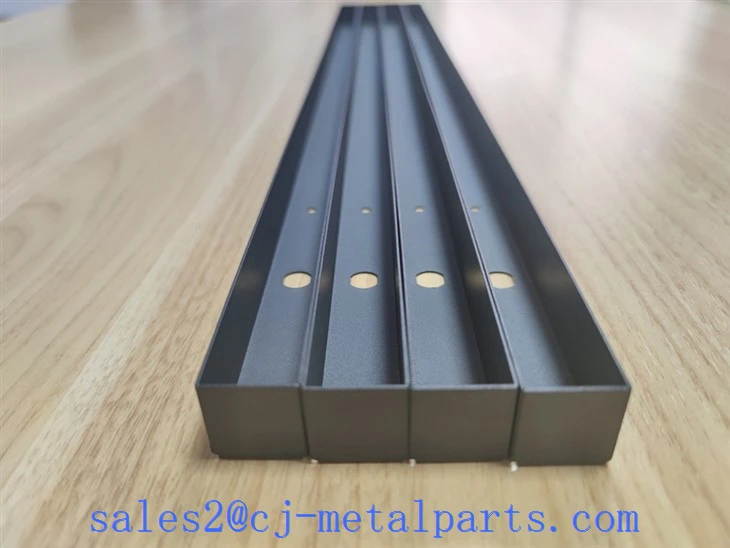
We also offer Powder Coated Steel Cover and Stamping Steel Parts that are compatible with vacuum stamping processes. Our powder - coated steel covers provide an additional layer of protection to the stamping plates, while our stamping steel parts are manufactured to the highest quality standards to ensure reliable performance in your production process.
Conclusion
In conclusion, metal stamping plates can be used for stamping in a vacuum environment, but several factors need to be considered, such as lubrication, thermal management, and material selection. While there are challenges associated with stamping in a vacuum, the advantages, such as reduced oxidation, improved precision, and contamination control, make it a viable option for certain industries. As a supplier of metal stamping plates, we are committed to providing our clients with high - quality products and customized solutions to meet their specific needs in vacuum stamping applications.
If you are interested in our metal stamping plates or have any questions about stamping in a vacuum environment, please feel free to contact us for further discussion and procurement negotiation. We look forward to working with you to achieve your manufacturing goals.
References
- "Vacuum Technology Handbook" by O'Hanlon, John F.
- "Metal Forming: Mechanics and Metallurgy" by Dieter, George E.
- "Manufacturing Engineering and Technology" by Kalpakjian, Serope and Schmid, Steven R.