


Vibration problems in stamping tooling operation can significantly impact the quality, efficiency, and lifespan of the stamping process. As a stamping tooling supplier, I have witnessed firsthand how these issues can cause headaches for manufacturers. In this blog post, I will explore the various vibration problems that can occur in stamping tooling operation, their causes, and potential solutions.
Understanding Vibration in Stamping Tooling
Vibration in stamping tooling refers to the unwanted movement or oscillation of the tooling components during the stamping process. This can manifest in different forms, such as linear vibrations, torsional vibrations, or a combination of both. Vibration can occur at various frequencies and amplitudes, and its effects can range from minor surface imperfections on the stamped parts to catastrophic tooling failure.
Causes of Vibration in Stamping Tooling
1. Machine Dynamics
The stamping press itself can be a major source of vibration. Unbalanced rotating components, such as flywheels and crankshafts, can generate significant vibrations that are transmitted to the tooling. Additionally, the mechanical design of the press, including its frame stiffness and damping characteristics, can influence the level of vibration. For example, a press with a weak frame may experience more vibration during operation compared to a sturdier one.
2. Tooling Design
Poor tooling design can also contribute to vibration problems. Improperly balanced tooling, uneven distribution of forces, and inadequate clearance between tooling components can all lead to increased vibration. For instance, if the punches and dies are not properly aligned, it can cause uneven forces during the stamping process, resulting in vibration. Additionally, the material selection for the tooling can affect its vibration characteristics. Tools made from materials with low damping properties may be more prone to vibration.
3. Material Properties
The properties of the material being stamped can also play a role in vibration. Hard and brittle materials may require higher stamping forces, which can increase the likelihood of vibration. Additionally, materials with inconsistent thickness or surface quality can cause variations in the stamping process, leading to vibration. For example, if the material has a rough surface, it can cause the tooling to chatter during the stamping process.
4. Operating Conditions
The operating conditions of the stamping process can also contribute to vibration problems. High stamping speeds, excessive feed rates, and improper lubrication can all increase the level of vibration. For instance, if the stamping speed is too high, it can cause the tooling to impact the material more forcefully, resulting in vibration. Additionally, inadequate lubrication can increase friction between the tooling and the material, leading to increased vibration.
Effects of Vibration in Stamping Tooling
1. Quality Issues
Vibration can have a significant impact on the quality of the stamped parts. It can cause surface imperfections, such as scratches, dents, and burrs, which can affect the appearance and functionality of the parts. Additionally, vibration can lead to dimensional inaccuracies, such as variations in part thickness and shape, which can cause problems during assembly.
2. Tooling Wear and Damage
Excessive vibration can also cause premature wear and damage to the tooling. The constant impact and oscillation can cause the tooling components to fatigue and break, reducing their lifespan. Additionally, vibration can cause the tooling to become misaligned, which can further exacerbate the wear and damage.
3. Productivity Loss
Vibration problems can also lead to productivity loss. The need to stop the stamping process to address vibration issues, such as tooling adjustments or replacements, can result in downtime and reduced production output. Additionally, the quality issues caused by vibration may require additional inspection and rework, further reducing productivity.
Solutions to Vibration Problems in Stamping Tooling
1. Machine Maintenance and Upgrades
Regular maintenance of the stamping press is essential to minimize vibration. This includes checking and balancing rotating components, lubricating moving parts, and inspecting the frame for any signs of damage or wear. Additionally, upgrading the press with modern vibration-damping technologies, such as shock absorbers and vibration isolators, can help reduce vibration levels.
2. Tooling Optimization
Optimizing the tooling design can also help reduce vibration. This includes ensuring proper balance, alignment, and clearance between tooling components. Additionally, using materials with high damping properties for the tooling can help absorb vibration and reduce its impact. For example, Progressive Stamping Tool can be designed with features that minimize vibration, such as precision-guided punches and dies.
3. Material Selection and Preparation
Selecting the right material for the stamping process is crucial to minimize vibration. Materials with consistent thickness and surface quality can help ensure a smooth stamping process and reduce vibration. Additionally, proper material preparation, such as annealing or surface treatment, can improve the material's formability and reduce the likelihood of vibration.
4. Operating Parameter Adjustment
Adjusting the operating parameters of the stamping process can also help reduce vibration. This includes reducing the stamping speed, feed rate, and pressure to a level that is appropriate for the material and tooling. Additionally, using proper lubrication can help reduce friction and vibration.
Case Studies
To illustrate the importance of addressing vibration problems in stamping tooling operation, let's look at a couple of case studies.

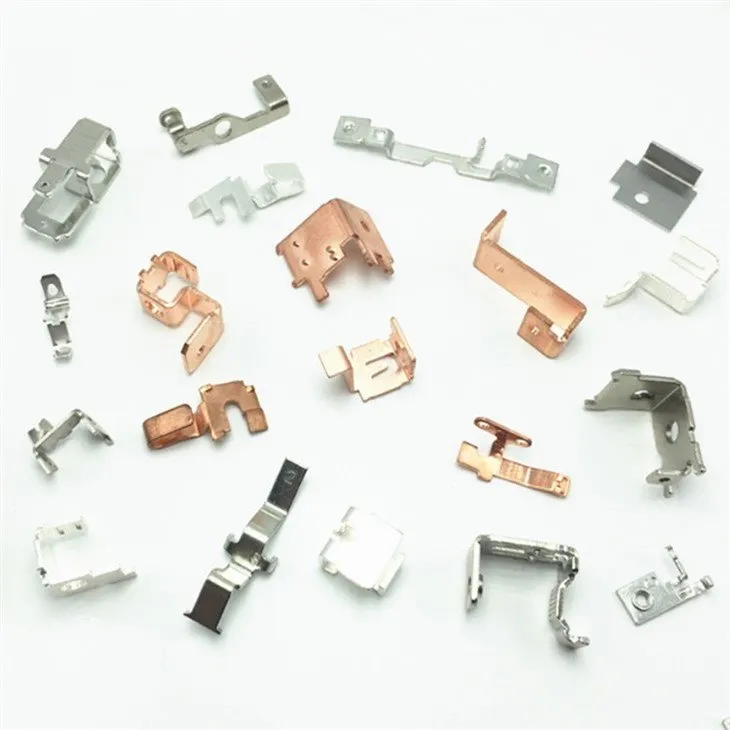
Case Study 1: Automotive Component Manufacturer
An automotive component manufacturer was experiencing significant vibration problems in their stamping process. The vibration was causing surface imperfections on the stamped parts, as well as premature wear and damage to the tooling. After conducting a thorough analysis, it was found that the problem was due to a combination of machine dynamics, tooling design, and operating conditions. The manufacturer implemented several solutions, including machine maintenance and upgrades, tooling optimization, and operating parameter adjustment. As a result, the vibration levels were significantly reduced, and the quality of the stamped parts improved. Additionally, the tooling lifespan increased, resulting in cost savings for the manufacturer.
Case Study 2: Electronics Manufacturer
An electronics manufacturer was using Metal Tooling For Shielding Case to produce shielding cases for their electronic devices. The stamping process was experiencing high levels of vibration, which was causing dimensional inaccuracies and surface imperfections on the shielding cases. After investigating the problem, it was found that the tooling design was the main cause of the vibration. The manufacturer worked with their tooling supplier to optimize the tooling design, including improving the balance and alignment of the punches and dies. Additionally, they adjusted the operating parameters of the stamping process to reduce the vibration levels. As a result, the quality of the shielding cases improved, and the production output increased.
Conclusion
Vibration problems in stamping tooling operation can have a significant impact on the quality, efficiency, and lifespan of the stamping process. By understanding the causes and effects of vibration, and implementing appropriate solutions, manufacturers can minimize these problems and improve the overall performance of their stamping operations. As a stamping tooling supplier, we are committed to helping our customers address vibration problems and achieve optimal results. If you are experiencing vibration problems in your stamping process, or if you are looking for ways to improve the performance of your tooling, please contact us to discuss your needs. We would be happy to work with you to develop customized solutions that meet your specific requirements.
References
- Smith, J. (2018). Vibration Analysis and Control in Manufacturing Processes. CRC Press.
- Jones, R. (2019). Stamping Tooling Design and Optimization. Elsevier.
- Brown, S. (2020). Material Selection for Stamping Tooling. Wiley.