


Hey there! As a supplier of CNC Milling Parts, I've been in the game for quite a while, and I've seen firsthand how crucial pocket-making accuracy is in the world of CNC milling. In this blog, I'm gonna break down the requirements for pocket-making accuracy in CNC milling parts, sharing some insights based on my experience.
Understanding Pocket Making in CNC Milling
First off, let's talk about what pocket making is. In CNC milling, a pocket is basically a recessed area that's cut into a workpiece. It can be used for all sorts of things, like creating spaces for components to fit into, or for reducing the weight of the part. But getting that pocket just right is no easy feat.
Tolerance Requirements
One of the most important aspects of pocket-making accuracy is tolerance. Tolerance refers to the acceptable amount of variation from the specified dimensions of the pocket. In the world of CNC milling, tight tolerances are often required, especially for parts that need to fit together precisely.
For example, in the case of a Billet Oil Filter Housing, the pockets need to be machined with extremely high accuracy to ensure a proper seal and functionality. Even a small deviation in the pocket dimensions can lead to leaks or other issues.
Typically, tolerance requirements for pocket making can range from a few thousandths of an inch to even tighter tolerances in some high-precision applications. It's essential to understand the specific tolerance requirements for each part and ensure that the CNC milling process can meet those standards.
Surface Finish
Another key requirement for pocket-making accuracy is the surface finish of the pocket. The surface finish can affect the performance and appearance of the part. A smooth surface finish is often desired, especially for parts that come into contact with other components or need to have a certain aesthetic appeal.
In CNC milling, the surface finish is determined by several factors, including the cutting tools used, the feed rate, and the spindle speed. Using high-quality cutting tools and optimizing the machining parameters can help achieve a better surface finish.
For instance, in CNC Milling Components, a good surface finish on the pockets can improve the overall quality and functionality of the parts. It can also reduce friction and wear, leading to a longer lifespan of the components.
Geometric Accuracy
Geometric accuracy is also crucial when it comes to pocket making. This includes aspects such as the flatness, parallelism, and perpendicularity of the pocket walls. Ensuring that the pocket has the correct geometric shape is essential for proper fit and function.
For example, if a pocket is supposed to be perfectly flat but has a slight curvature, it can cause problems when trying to insert a component into the pocket. Similarly, if the pocket walls are not parallel or perpendicular, it can lead to misalignment and other issues.
To achieve high geometric accuracy, advanced CNC milling machines with precise control systems are often used. These machines can compensate for any errors and ensure that the pockets are machined to the correct geometric specifications.
Material Considerations
The type of material being machined also plays a significant role in pocket-making accuracy. Different materials have different properties, such as hardness, toughness, and machinability, which can affect the machining process and the final accuracy of the pocket.

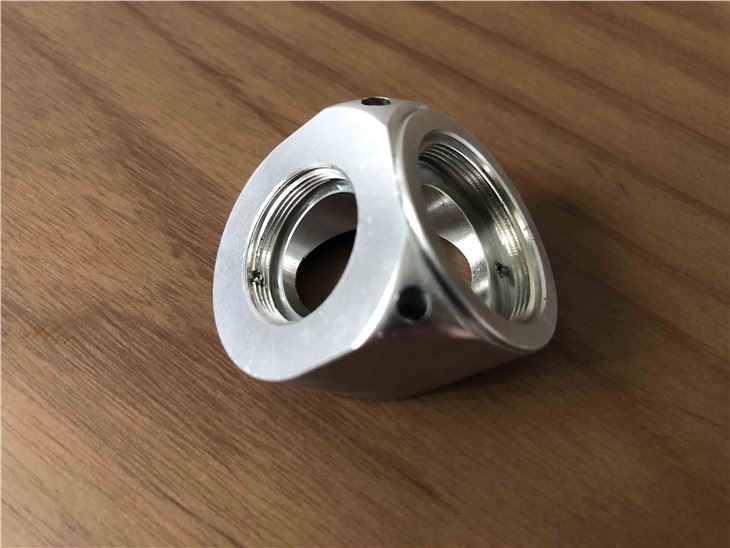
For example, machining a hard material like stainless steel requires different cutting tools and machining parameters compared to a softer material like aluminum. Using the wrong tools or parameters can result in poor surface finish, excessive tool wear, and inaccurate pocket dimensions.
In the case of Cnc Machined Metal Colorful Holder Frame, the material selection and machining process need to be carefully considered to ensure that the pockets are machined accurately and that the overall part meets the desired quality standards.
Tool Selection and Wear
The selection of cutting tools is critical for achieving pocket-making accuracy. Different types of cutting tools, such as end mills, ball mills, and slot drills, are used depending on the shape and size of the pocket.
It's important to choose the right tool for the job and ensure that it is in good condition. Tool wear can have a significant impact on the accuracy of the pocket. As the tool wears, it can cause changes in the cutting forces, which can lead to dimensional inaccuracies and poor surface finish.
Regular tool inspection and replacement are necessary to maintain the accuracy of the pocket-making process. Using high-quality cutting tools and proper tool management practices can help minimize tool wear and ensure consistent pocket-making accuracy.
Programming and Setup
Proper programming and setup of the CNC milling machine are also essential for pocket-making accuracy. The CNC program needs to be carefully designed to ensure that the pockets are machined to the correct dimensions and shape.
This includes specifying the correct tool paths, feed rates, and spindle speeds. Any errors in the programming can result in inaccurate pockets. Additionally, the setup of the workpiece on the machine table needs to be precise to ensure that the pockets are machined in the correct location.
Taking the time to double-check the programming and setup can save a lot of time and money in the long run by avoiding costly mistakes and rework.
Quality Control
Finally, quality control is a crucial part of ensuring pocket-making accuracy. This involves inspecting the machined pockets using various measurement tools, such as calipers, micrometers, and coordinate measuring machines (CMMs).
Regular quality checks throughout the machining process can help identify any issues early on and allow for adjustments to be made. By maintaining strict quality control standards, we can ensure that the CNC milling parts meet the required accuracy and quality specifications.
Wrapping Up
In conclusion, pocket-making accuracy in CNC milling parts is a complex process that requires attention to detail and a combination of technical skills and knowledge. From tolerance requirements and surface finish to tool selection and quality control, every aspect plays a crucial role in achieving the desired accuracy.
As a supplier of CNC Milling Parts, we understand the importance of pocket-making accuracy and are committed to providing high-quality parts that meet our customers' needs. If you're in the market for Billet Oil Filter Housing, CNC Milling Components, Cnc Machined Metal Colorful Holder Frame, or any other CNC milling parts, feel free to reach out to us for a quote and to discuss your specific requirements. We're here to help you get the best possible parts for your projects.
References
- "CNC Machining Handbook" by Peter Smid
- "Modern Manufacturing Processes" by Rajender Singh