


Hey there! As a supplier of CNC milling components, I've seen firsthand the importance of proper inspection methods. In this blog post, I'll share some of the key inspection methods we use to ensure the quality of our milling components.
Visual Inspection
Visual inspection is the most basic but also one of the most important inspection methods. It involves simply looking at the component with the naked eye or using a magnifying glass to check for obvious defects such as cracks, scratches, burrs, or misaligned features. This is usually the first step in the inspection process and can help identify major issues early on.
We start by cleaning the component to remove any debris or coolant that might obscure our view. Then, we carefully examine the entire surface of the part, paying close attention to critical areas like edges, holes, and mating surfaces. If we spot any visible defects, we mark them for further evaluation or reject the part if the defect is severe enough.
Dimensional Inspection
Dimensional inspection is crucial to ensure that the component meets the specified design requirements. We use a variety of tools for this, such as calipers, micrometers, and coordinate measuring machines (CMMs).
Calipers are handy for quickly measuring basic dimensions like length, width, and diameter. They're easy to use and provide a relatively accurate measurement. Micrometers, on the other hand, offer even higher precision and are often used for measuring smaller dimensions or tolerances.
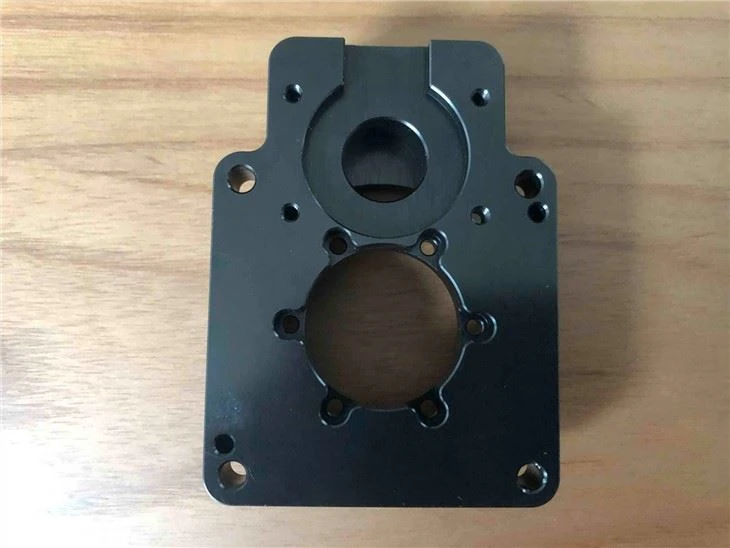
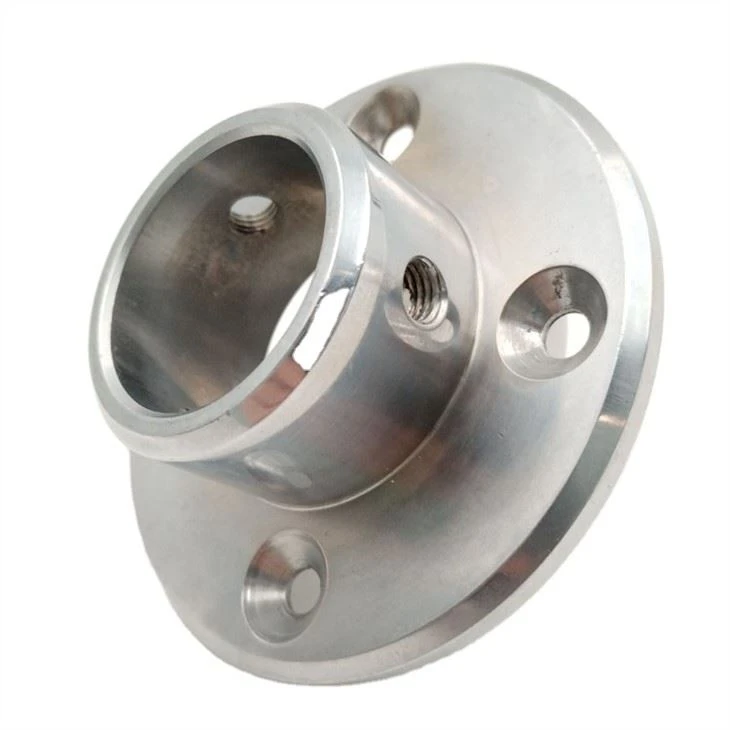
For more complex components with multiple features and tight tolerances, we rely on CMMs. These machines use a probe to measure the coordinates of points on the surface of the component and compare them to the CAD model. CMMs can provide extremely accurate measurements and can detect even the slightest deviations from the design specifications.
We measure critical dimensions at multiple points to ensure consistency and accuracy. If a dimension is out of tolerance, we adjust the machining process or, in some cases, rework the part to bring it within the acceptable range.
Surface Finish Inspection
The surface finish of a CNC milling component can have a significant impact on its performance and functionality. A rough surface finish can cause increased friction, wear, and corrosion, while a smooth surface finish can improve the part's performance and appearance.
We use surface roughness testers to measure the surface finish of our components. These testers work by dragging a stylus across the surface of the part and measuring the variations in height. The results are typically expressed in terms of Ra (average roughness) or Rz (maximum roughness).
We compare the measured surface finish to the specified requirements and ensure that it meets the customer's expectations. If the surface finish is not within the acceptable range, we may adjust the machining parameters or use additional finishing processes like polishing or grinding.
Material Inspection
The quality of the material used in a CNC milling component is just as important as its dimensions and surface finish. We conduct material inspections to ensure that the material meets the specified grade and properties.
One common method of material inspection is chemical analysis. We use techniques like spectroscopy to determine the chemical composition of the material and verify that it matches the required specifications. This helps us ensure that the material has the right strength, hardness, and other properties for the intended application.
We also perform hardness testing to check the material's hardness. Hardness is an important property that can affect the part's machinability, wear resistance, and strength. We use hardness testers like Rockwell or Brinell testers to measure the hardness of the material at various points on the component.
Functional Testing
In addition to the above inspections, we also perform functional testing to ensure that the component performs as intended. Functional testing involves testing the component under real or simulated operating conditions to evaluate its performance and functionality.
For example, if we're manufacturing a CNC Aluminium Parts for a mechanical assembly, we might test it for fit, alignment, and movement. We'll also check for any signs of stress, fatigue, or failure under normal or extreme operating conditions.
Functional testing helps us identify any potential issues with the component's design or manufacturing process and allows us to make any necessary adjustments before the part is shipped to the customer.
Conclusion
As you can see, there are several inspection methods that we use to ensure the quality of our High Quality Cnc Machining Parts. By combining visual inspection, dimensional inspection, surface finish inspection, material inspection, and functional testing, we can provide our customers with components that meet or exceed their expectations.
If you're in the market for high-quality CNC milling components, we'd love to hear from you. We have the expertise and experience to manufacture components that are tailored to your specific requirements. Whether you need a single prototype or a large production run, we can help. Contact us today to discuss your project and get a quote.
References
- ASME Y14.5 - Dimensioning and Tolerancing Standard
- ISO 1302 - Geometrical Product Specifications (GPS) - Surface texture: Profile method - Terms, definitions and surface texture parameters
- ASTM E10 - Standard Test Method for Brinell Hardness of Metallic Materials
- ASTM E18 - Standard Test Methods for Rockwell Hardness and Rockwell Superficial Hardness of Metallic Materials