


Troubleshooting stamping tooling failures is a critical skill for any stamping tooling supplier. As a professional in this field, I understand the importance of quickly identifying and resolving issues to minimize downtime and ensure the quality of the stamped parts. In this blog, I will share some common stamping tooling failures and the steps to troubleshoot them.
Common Stamping Tooling Failures
1. Tool Breakage
Tool breakage is one of the most serious problems in stamping operations. It can be caused by several factors, such as excessive stress, material defects, or improper heat treatment. When a tool breaks, it not only stops the production process but also may damage other parts of the stamping die.
2. Wear and Tear
Wear and tear are inevitable in stamping tooling due to the repeated impact and friction during the stamping process. Excessive wear can lead to dimensional inaccuracies in the stamped parts, reduced tool life, and increased scrap rates. Common areas of wear include the cutting edges, punch tips, and die cavities.
3. Dimensional Inaccuracies
Dimensional inaccuracies in stamped parts can be a result of various factors, such as tool misalignment, wear, or improper adjustment of the stamping press. These inaccuracies can cause problems in the assembly of the final product and may lead to customer complaints.
4. Surface Defects
Surface defects on stamped parts, such as scratches, burrs, or cracks, can affect the appearance and functionality of the product. These defects can be caused by tool surface roughness, material contamination, or improper lubrication.
Troubleshooting Steps
Step 1: Visual Inspection
The first step in troubleshooting stamping tooling failures is to conduct a visual inspection of the tooling and the stamped parts. Look for signs of breakage, wear, misalignment, or surface defects. Check the cutting edges for sharpness and any signs of chipping. Inspect the die cavities for any signs of damage or wear. Also, examine the stamped parts for dimensional inaccuracies and surface defects.
Step 2: Analyze the Stamping Process
Review the stamping process parameters, such as the press speed, tonnage, and feed rate. Incorrect process parameters can cause excessive stress on the tooling, leading to breakage or wear. Make sure that the press is operating within the recommended specifications and that the feed rate is consistent.
Step 3: Check the Material
The quality of the material being stamped can also affect the performance of the tooling. Check the material for any defects, such as cracks, inclusions, or improper hardness. Incorrect material hardness can cause excessive wear on the tooling or lead to dimensional inaccuracies in the stamped parts.
Step 4: Inspect the Lubrication System
Proper lubrication is essential for reducing friction and wear in stamping tooling. Check the lubrication system to ensure that it is working properly and that the correct type and amount of lubricant are being used. Insufficient lubrication can cause excessive heat generation, leading to tool wear and surface defects on the stamped parts.
Step 5: Measure the Dimensions
Use precision measuring tools, such as calipers, micrometers, or coordinate measuring machines (CMMs), to measure the dimensions of the stamped parts and the tooling. Compare the measured dimensions with the design specifications to identify any dimensional inaccuracies. If there are any discrepancies, adjust the tooling or the stamping process accordingly.
Step 6: Perform a Root Cause Analysis
Once the problem has been identified, perform a root cause analysis to determine the underlying cause of the failure. This may involve analyzing the data collected from the visual inspection, process analysis, material inspection, and dimensional measurement. Use tools such as fishbone diagrams or 5 Whys to identify the root cause of the problem.
Step 7: Implement Corrective Actions
Based on the root cause analysis, implement corrective actions to prevent the problem from recurring. This may involve repairing or replacing the damaged tooling, adjusting the stamping process parameters, improving the material quality, or optimizing the lubrication system.
Case Studies
Case 1: Tool Breakage
A customer reported frequent tool breakage in a Stamping Die For Steel Bracket. After a visual inspection, it was found that the cutting edges of the punch were chipped. Further analysis of the stamping process revealed that the press speed was too high, causing excessive stress on the tooling. The press speed was adjusted to the recommended level, and the damaged punch was replaced. After these corrective actions, the tool breakage problem was resolved.
Case 2: Dimensional Inaccuracies
A manufacturer was experiencing dimensional inaccuracies in the stamped parts produced using a Progressive Die Stamping process. A visual inspection of the tooling showed that the die was misaligned. The die was realigned, and the stamping process parameters were adjusted to ensure consistent feed rate. After these adjustments, the dimensional accuracy of the stamped parts improved significantly.
Case 3: Surface Defects
A customer noticed surface defects, such as scratches and burrs, on the stamped parts produced using a Metal Tooling For Shielding Case. An inspection of the tooling revealed that the surface of the die was rough. The die surface was polished, and the lubrication system was optimized. After these improvements, the surface defects on the stamped parts were eliminated.
Conclusion
Troubleshooting stamping tooling failures requires a systematic approach and a thorough understanding of the stamping process and the tooling. By following the steps outlined in this blog, you can quickly identify and resolve common stamping tooling problems, minimize downtime, and improve the quality of the stamped parts.
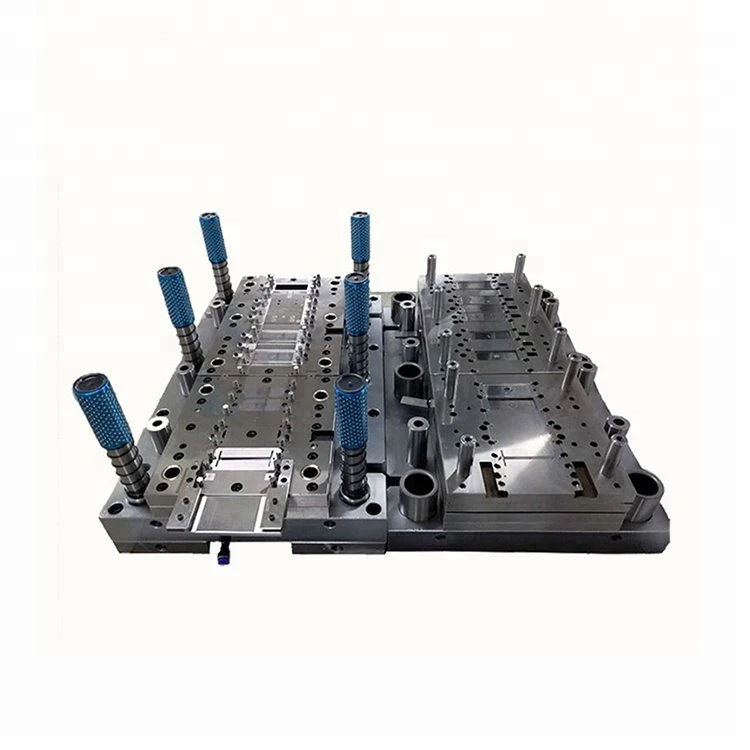

If you are facing any stamping tooling issues or are interested in our stamping tooling products, please feel free to contact us for a consultation. We are committed to providing high-quality stamping tooling solutions and excellent customer service.
References
- Groover, M. P. (2010). Fundamentals of Modern Manufacturing: Materials, Processes, and Systems. Wiley.
- Dieter, G. E. (1986). Mechanical Metallurgy. McGraw-Hill.
- Kalpakjian, S., & Schmid, S. R. (2006). Manufacturing Engineering and Technology. Prentice Hall.