


As a seasoned supplier of CNC lathing parts, I've witnessed firsthand the critical role that tool life plays in the efficiency and profitability of production processes. In the highly competitive world of manufacturing, optimizing tool life isn't just a goal; it's a necessity. This blog post will delve into the strategies and best practices that can significantly extend the lifespan of cutting tools in CNC lathing parts production, based on my years of experience and industry knowledge.
Understanding the Importance of Tool Life
Before we explore the optimization techniques, it's essential to understand why tool life is so crucial. In CNC lathing parts production, cutting tools are the workhorses that shape raw materials into precision components. A tool with a short lifespan not only leads to frequent tool changes but also increases production downtime, which can significantly impact productivity. Moreover, the cost of replacing worn - out tools can quickly add up, eating into profit margins. By optimizing tool life, we can reduce costs, improve product quality, and enhance overall production efficiency.
Selecting the Right Cutting Tools
The first step in optimizing tool life is choosing the appropriate cutting tools for the job. Different materials require different types of cutting tools. For example, when machining aluminium, tools with high - speed steel (HSS) or carbide inserts are often preferred due to their excellent cutting performance and wear resistance. On the other hand, when dealing with harder materials like stainless steel, ceramic or cubic boron nitride (CBN) tools may be more suitable.
It's also important to consider the tool geometry. The rake angle, clearance angle, and cutting edge radius can all affect the cutting forces and the heat generated during the machining process. A well - designed tool geometry can reduce cutting forces, minimize heat generation, and improve chip evacuation, all of which contribute to longer tool life.
When sourcing cutting tools, partnering with reliable suppliers is key. Look for suppliers who offer high - quality tools and have a good reputation in the industry. You can find a wide range of CNC lathing OEM tools that are specifically designed for different machining applications.
Optimizing Cutting Parameters
Cutting parameters such as cutting speed, feed rate, and depth of cut have a significant impact on tool life. Finding the right balance between these parameters is crucial.
Cutting Speed: The cutting speed is the speed at which the cutting edge of the tool moves relative to the workpiece. A higher cutting speed generally results in faster material removal rates, but it also generates more heat, which can accelerate tool wear. Conversely, a lower cutting speed may reduce tool wear but can lead to longer machining times. It's important to determine the optimal cutting speed based on the material being machined, the type of cutting tool, and the desired surface finish.
Feed Rate: The feed rate is the distance the tool advances into the workpiece per revolution. A higher feed rate can increase productivity, but it also increases the cutting forces and the wear on the tool. A lower feed rate can reduce tool wear but may not be efficient for large - scale production. The optimal feed rate depends on factors such as the tool geometry, the material properties, and the cutting speed.
Depth of Cut: The depth of cut is the thickness of the material removed in each pass of the tool. A larger depth of cut can remove more material in less time, but it also requires more cutting force and can cause greater tool wear. A smaller depth of cut may result in less tool wear but may require more passes to complete the machining process.
To optimize these cutting parameters, it's advisable to conduct cutting tests and use cutting data provided by tool manufacturers. Many modern CNC machines are equipped with software that can help calculate the optimal cutting parameters based on the specific machining requirements.
Proper Tool Handling and Maintenance
Proper tool handling and maintenance are essential for maximizing tool life. Here are some key practices:
Tool Storage: Store cutting tools in a clean, dry environment to prevent corrosion and damage. Use tool holders and cabinets designed to protect the cutting edges. Avoid stacking tools on top of each other, as this can cause chipping or breakage.
Tool Inspection: Regularly inspect cutting tools for signs of wear, damage, or chipping. Replace worn - out tools promptly to prevent poor surface finish and dimensional inaccuracies in the machined parts. Visual inspection can be supplemented with more advanced techniques such as tool wear monitoring systems, which can detect tool wear in real - time and alert operators when it's time to change the tool.
Tool Cleaning: Clean cutting tools after each use to remove chips, coolant, and debris. Use appropriate cleaning agents and tools to avoid damaging the cutting edges. A clean tool is less likely to experience built - up edge (BUE), which can reduce tool performance and lifespan.
Coolant and Lubrication
Coolant and lubrication play a vital role in CNC lathing parts production. They help to reduce heat generation, improve chip evacuation, and prevent built - up edge formation.
Coolant Selection: The choice of coolant depends on the material being machined, the cutting process, and the environmental requirements. Water - based coolants are commonly used due to their good cooling properties and relatively low cost. Oil - based coolants, on the other hand, offer better lubrication and are suitable for machining difficult - to - cut materials.
Coolant Application: Proper coolant application is crucial. The coolant should be directed at the cutting zone to effectively cool the tool and the workpiece. The flow rate and pressure of the coolant should be adjusted based on the machining conditions. In some cases, through - tool coolant delivery systems can provide more efficient cooling and lubrication, especially for deep - hole drilling or high - speed machining.
Workpiece Material and Preparation
The quality and preparation of the workpiece material can also affect tool life.

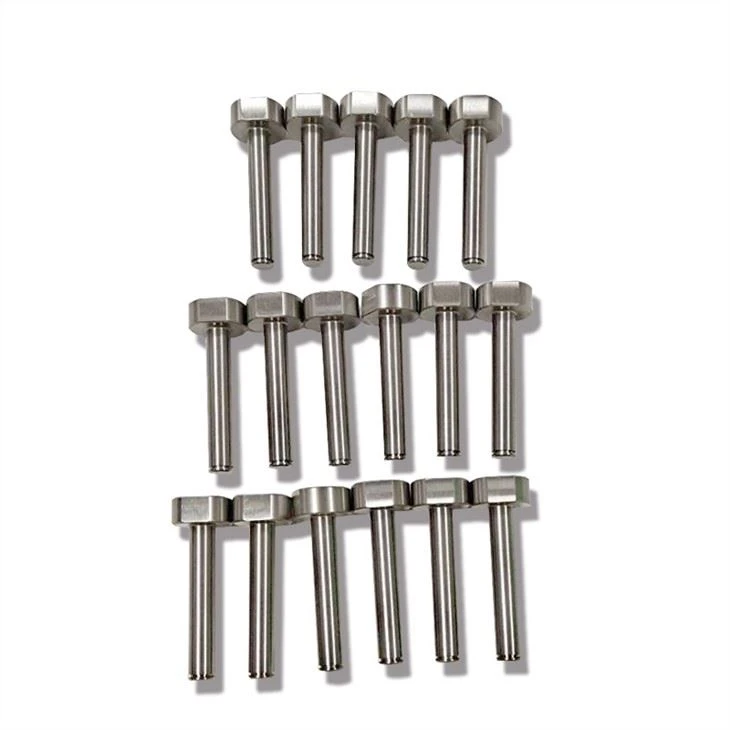
Material Quality: Use high - quality raw materials with consistent properties. Inconsistent material hardness or the presence of impurities can cause uneven tool wear and premature tool failure.
Workpiece Preparation: Proper workpiece preparation, such as deburring and cleaning, can prevent damage to the cutting tools. For example, sharp edges or burrs on the workpiece can cause chipping or breakage of the cutting tool. Additionally, pre - machining operations like annealing can improve the machinability of hard materials, reducing the wear on the cutting tools.
Operator Training
Well - trained operators are an asset in optimizing tool life. Operators should be familiar with the CNC machine, the cutting tools, and the machining processes. They should know how to set up the machine correctly, select the appropriate cutting parameters, and handle and maintain the tools properly.
Training programs should cover topics such as tool selection, cutting parameter optimization, tool handling and maintenance, and safety procedures. Regular training updates can keep operators informed about the latest technologies and best practices in CNC lathing parts production.
Conclusion
Optimizing tool life in CNC lathing parts production is a multi - faceted process that involves selecting the right cutting tools, optimizing cutting parameters, proper tool handling and maintenance, using coolant and lubrication effectively, considering workpiece material and preparation, and providing operator training. By implementing these strategies, we can significantly extend the lifespan of cutting tools, reduce production costs, and improve the quality and efficiency of our CNC lathing parts production.
If you're in the market for high - quality OEM CNC Machining Services or Aluminium Machined Components, I invite you to reach out for a procurement discussion. We're committed to providing top - notch products and services to meet your specific manufacturing needs.
References
- Boothroyd, G., & Knight, W. A. (2006). Fundamentals of Machining and Machine Tools. Marcel Dekker.
- Kalpakjian, S., & Schmid, S. R. (2010). Manufacturing Engineering and Technology. Pearson.
- Tooling U - SME. (n.d.). Cutting Tool Technology. Retrieved from Tooling U - SME website.