


Hey there! I'm a supplier in the stamping tooling business, and I've been through the ups and downs of international trade. It's a wild ride, no doubt, but with the right strategies, you can navigate those choppy waters and come out on top. In this blog, I'll share some tips on how to deal with international trade issues in stamping tooling.
Understanding the Market
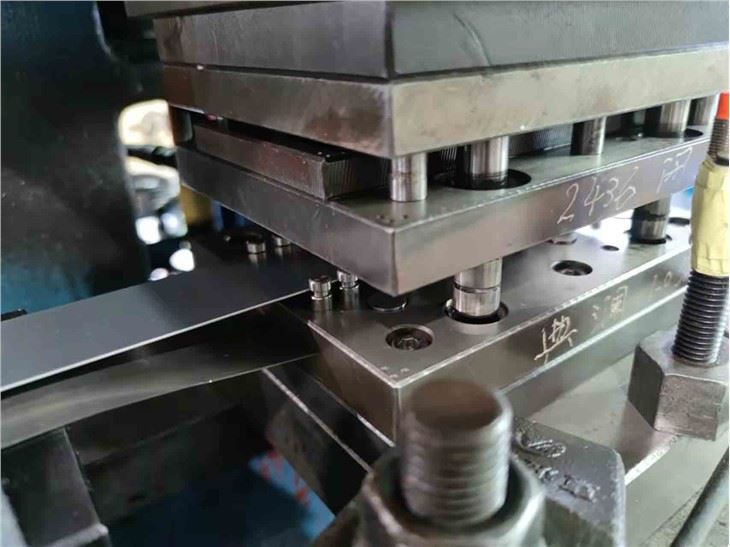
First things first, you gotta understand the international market for stamping tooling. Different countries have different demands, quality standards, and regulations. For example, some countries might have a high demand for Metal Stamping Dies used in the automotive industry, while others might be more interested in Stamping Die For Steel Bracket for the construction sector.
Do your research! Look into market trends, growth rates, and potential competitors in the countries you're targeting. You can use industry reports, trade shows, and online resources to gather this information. By understanding the market, you can tailor your products and marketing strategies to meet the specific needs of your international customers.
Navigating Regulations and Standards
One of the biggest challenges in international trade is dealing with regulations and standards. Each country has its own set of rules regarding product safety, quality, and environmental impact. For stamping tooling, this might include things like material specifications, dimensional tolerances, and surface finish requirements.
Make sure you're aware of the regulations in the countries you're exporting to. You might need to obtain certain certifications or comply with specific testing procedures. It's a good idea to work with a local agent or consultant who can help you navigate these requirements. They can also keep you updated on any changes in the regulations, so you don't run into any compliance issues.
Managing Logistics and Shipping
Logistics and shipping are another crucial aspect of international trade. You need to get your stamping tooling from your factory to your customers' doors in a timely and cost - effective manner. This involves choosing the right shipping method, packaging your products properly, and dealing with customs clearance.
When it comes to shipping, you have several options, such as air freight, sea freight, or land transportation. Air freight is fast but expensive, while sea freight is slower but more cost - effective for large shipments. Consider the size, weight, and urgency of your order when making this decision.
Proper packaging is essential to protect your stamping tooling during transit. Use high - quality materials and make sure the packaging is sturdy enough to withstand the rigors of shipping. You might also need to label your packages correctly with information such as product description, weight, and handling instructions.
Customs clearance can be a headache, but it's a necessary step. Make sure you have all the required documentation, such as commercial invoices, packing lists, and certificates of origin. Working with a freight forwarder can make this process a lot easier, as they have experience dealing with customs procedures in different countries.

Building Relationships with International Customers
Building strong relationships with your international customers is key to long - term success in the stamping tooling business. Communication is the foundation of any relationship, so make sure you're responsive to your customers' inquiries and concerns. Use multiple channels of communication, such as email, phone, and video conferencing, to stay in touch.
Offer excellent customer service. Provide detailed product information, technical support, and after - sales service. This will help you build trust and loyalty with your customers. You can also consider offering training programs or on - site installation services to ensure that your customers are using your stamping tooling correctly.
Another important aspect of building relationships is cultural awareness. Different cultures have different business practices and communication styles. Take the time to learn about the cultures of your international customers. This will help you avoid any misunderstandings and build stronger connections.
Dealing with Currency Fluctuations
Currency fluctuations can have a significant impact on your international trade business. When the value of a currency changes, it can affect the price of your products, your profit margins, and your competitiveness in the market.
To manage currency risk, you can use hedging strategies. For example, you can enter into forward contracts or currency options to lock in a specific exchange rate for a future transaction. This can help you protect your profit margins from adverse currency movements. You can also price your products in multiple currencies to reduce your exposure to currency fluctuations.
Marketing and Branding
Marketing and branding are essential for promoting your stamping tooling in the international market. You need to create a strong brand identity that stands out from the competition. Develop a professional website that showcases your products, services, and company history. Make sure your website is optimized for search engines, so it's easy for international customers to find you.
Use social media platforms to reach a wider audience. Share product updates, industry news, and customer testimonials on platforms like LinkedIn, Twitter, and Facebook. You can also participate in online forums and discussion groups related to stamping tooling to build your reputation as an industry expert.
Attend international trade shows and exhibitions. These events are a great way to showcase your products, meet potential customers, and network with other industry professionals. You can also use trade shows to launch new products and generate leads.
Handling Payment and Financing
Payment and financing are important considerations in international trade. You need to find a payment method that is secure and convenient for both you and your customers. Common payment methods in international trade include letters of credit, wire transfers, and payment through online platforms like PayPal.
Letters of credit are a popular option because they provide a certain level of security for both the buyer and the seller. The bank acts as an intermediary, ensuring that the seller gets paid once the goods are shipped and the buyer receives the products as described. However, letters of credit can be complex and time - consuming to set up.
Financing can also be a challenge, especially for small and medium - sized enterprises. You might need to look for financing options such as export credit insurance or government - backed loans. These can help you manage the cash flow and reduce the risk of non - payment.
Overcoming Language and Cultural Barriers
Language and cultural barriers can sometimes make it difficult to communicate effectively with your international customers. Make sure you have a team or translator who can handle language translation accurately. This is important for everything from product descriptions to contract negotiations.
As mentioned earlier, cultural awareness is crucial. Different cultures have different attitudes towards business, time, and relationships. For example, in some cultures, it's important to build a personal relationship before doing business, while in others, business is more transactional. Understanding these cultural differences can help you avoid misunderstandings and build better relationships with your international customers.
Conclusion
Dealing with international trade issues in stamping tooling is not without its challenges, but it's also full of opportunities. By understanding the market, navigating regulations, managing logistics, building relationships, and dealing with currency fluctuations, you can successfully expand your business into the international arena.
If you're interested in our stamping tooling products, such as Metal Stamping Dies, Stamping Die For Steel Bracket, or Metal Tooling For Shielding Case, don't hesitate to reach out. We're always ready to discuss your specific needs and find the best solutions for you. Let's start a conversation and explore the possibilities of working together in the international market.
References
- Industry reports from various stamping tooling associations
- Online resources such as trade.gov and export.gov
- Personal experiences and case studies from international trade in stamping tooling