


As a supplier of Stamping Press Parts, ensuring the parallelism of these parts is of utmost importance. Parallelism is a critical geometric tolerance that directly impacts the functionality, performance, and quality of the stamped components. In this blog, I will share some key strategies and best practices on how to ensure the parallelism of stamping press parts.
Understanding the Importance of Parallelism in Stamping Press Parts
Parallelism refers to the condition where two or more surfaces or axes are equidistant from each other along their entire length. In the context of stamping press parts, maintaining parallelism is crucial for several reasons. Firstly, it ensures proper fit and assembly of the parts. If the parts are not parallel, they may not align correctly during the assembly process, leading to misalignment, interference, or even failure of the final product. Secondly, parallelism affects the performance of the parts. For example, in electrical contacts, parallel surfaces ensure uniform electrical conductivity and reduce the risk of arcing or overheating. Finally, parallelism is a key factor in meeting the quality standards and specifications of the customers. Deviations from the required parallelism can result in rejected parts, increased production costs, and damage to the reputation of the supplier.
Factors Affecting the Parallelism of Stamping Press Parts
Several factors can influence the parallelism of stamping press parts. Understanding these factors is essential for implementing effective measures to ensure parallelism.
Tooling Design and Manufacturing
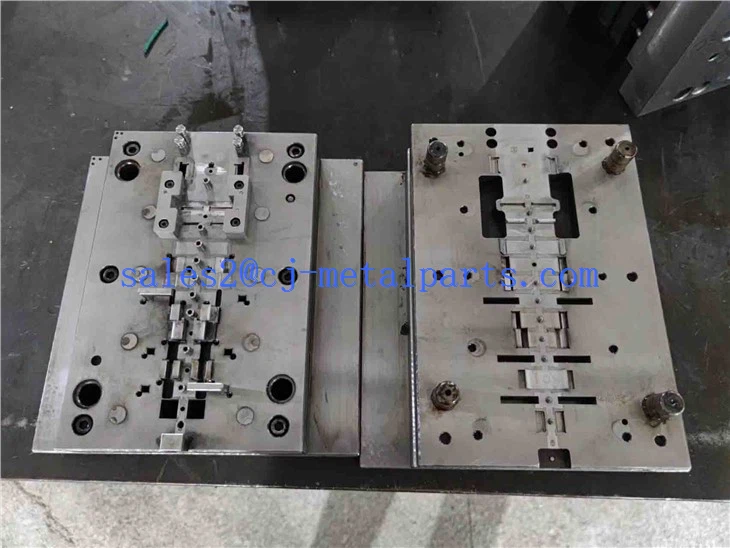
The design and manufacturing of the stamping tools play a significant role in determining the parallelism of the parts. A well-designed tooling system should ensure that the punches and dies are properly aligned and that the stamping forces are evenly distributed. Any misalignment or imbalance in the tooling can cause the parts to be distorted or have uneven parallelism. Additionally, the quality of the tooling materials and the precision of the machining processes can also affect the parallelism. High-quality tooling materials with good dimensional stability and accurate machining can help maintain the parallelism of the parts.
Material Properties
The properties of the raw materials used in stamping also impact the parallelism of the parts. Different materials have different mechanical properties, such as hardness, ductility, and elasticity. These properties can affect how the material behaves during the stamping process. For example, a material with high hardness may be more difficult to form and may require higher stamping forces, which can increase the risk of distortion and affect parallelism. On the other hand, a material with low ductility may crack or break during stamping, also leading to non - parallel parts. Therefore, selecting the appropriate material and understanding its properties is crucial for ensuring parallelism.
Stamping Process Parameters
The stamping process parameters, such as stamping force, speed, and clearance, have a direct impact on the parallelism of the parts. Excessive stamping force can cause the material to deform beyond its elastic limit, resulting in permanent distortion and non - parallelism. Similarly, an incorrect stamping speed can lead to uneven material flow and affect the parallelism. The clearance between the punch and the die is also critical. If the clearance is too large, the material may not be properly supported during stamping, causing it to warp or bend. If the clearance is too small, there may be excessive friction, which can also lead to distortion.
Machine Condition
The condition of the stamping press machine itself is another important factor. A machine that is not properly maintained, has worn - out components, or is not calibrated correctly can introduce errors in the stamping process and affect the parallelism of the parts. For example, a misaligned press bed or a worn - out ram can cause uneven stamping forces and result in non - parallel parts. Regular maintenance, calibration, and inspection of the stamping press machine are necessary to ensure its proper operation and the parallelism of the stamped parts.
Strategies to Ensure the Parallelism of Stamping Press Parts
Optimize Tooling Design
- Precision Machining: Use advanced machining techniques and high - precision equipment to manufacture the stamping tools. This ensures that the punches and dies have accurate dimensions and geometries, which is essential for maintaining parallelism.
- Alignment Mechanisms: Incorporate alignment mechanisms in the tooling design, such as guide pins and bushings. These mechanisms help to ensure that the punches and dies are properly aligned during the stamping process, reducing the risk of misalignment and non - parallel parts.
- Tooling Inspection and Maintenance: Regularly inspect the stamping tools for wear, damage, or misalignment. Replace any worn - out or damaged components promptly to maintain the accuracy and parallelism of the tooling.
Select the Right Materials
- Material Testing: Conduct thorough material testing before using a new batch of raw materials. This includes testing for hardness, ductility, and other mechanical properties. Select materials that are suitable for the stamping process and have consistent properties to ensure uniform deformation and parallelism.
- Material Handling: Properly handle and store the raw materials to prevent damage or deformation. For example, avoid stacking heavy materials on top of each other, which can cause the lower materials to be compressed and deformed.
Control Stamping Process Parameters
- Stamping Force Optimization: Determine the optimal stamping force based on the material properties, part geometry, and tooling design. Use force monitoring systems to ensure that the stamping force remains within the specified range during the stamping process. This helps to prevent excessive deformation and maintain parallelism.
- Stamping Speed Control: Adjust the stamping speed according to the material and part requirements. A slower stamping speed may be required for materials that are more difficult to form or for parts with complex geometries to ensure uniform material flow and parallelism.
- Clearance Adjustment: Set the appropriate clearance between the punch and the die based on the material thickness and properties. Regularly check and adjust the clearance to compensate for tool wear and ensure consistent parallelism.
Maintain the Stamping Press Machine
- Regular Maintenance: Develop a comprehensive maintenance schedule for the stamping press machine. This includes lubrication, cleaning, and inspection of the machine components. Replace any worn - out or damaged parts in a timely manner to ensure the proper operation of the machine.
- Calibration: Periodically calibrate the stamping press machine to ensure its accuracy and precision. This includes calibrating the press bed, ram, and other critical components to ensure that they are properly aligned and functioning correctly.
Quality Control and Inspection
Implementing a robust quality control and inspection system is essential for ensuring the parallelism of stamping press parts.
In - process Inspection
Conduct in - process inspections at various stages of the stamping process. This can include visual inspections, dimensional measurements, and parallelism checks using precision measuring tools such as calipers, micrometers, and coordinate measuring machines (CMMs). By detecting any issues early in the process, corrective actions can be taken immediately to prevent the production of non - parallel parts.
Final Inspection
Perform a final inspection of the stamped parts before they are shipped to the customers. This includes a comprehensive check of the parallelism, dimensions, and other quality characteristics of the parts. Only parts that meet the specified quality standards should be released for shipment.

Conclusion
Ensuring the parallelism of stamping press parts is a complex but essential task for a Stamping Press Parts supplier. By understanding the factors that affect parallelism, implementing effective strategies to control these factors, and maintaining a strict quality control and inspection system, suppliers can produce high - quality stamping press parts with excellent parallelism. This not only meets the requirements of the customers but also enhances the competitiveness of the supplier in the market.
If you are interested in our Stamping Press Parts, Brass Stamping, or Flexible Busbar Copper, please feel free to contact us for further discussion and procurement negotiation. We are committed to providing you with the best products and services.
References
- "Metal Stamping Handbook" by Peter Ulintz
- "Manufacturing Engineering and Technology" by S. Kalpakjian and S. R. Schmid