


As a seasoned supplier of CNC milling components, I've witnessed firsthand the challenges that come with heat treatment. Cracking during this crucial process can be a nightmare, leading to wasted materials, increased costs, and delays in production. In this blog, I'll share some effective strategies to prevent cracking of CNC milling components during heat treatment, drawing from my years of experience in the industry.
Understanding the Causes of Cracking
Before we dive into prevention methods, it's essential to understand why cracking occurs during heat treatment. There are several factors that can contribute to this issue:
Thermal Stress
Rapid heating or cooling during heat treatment can create significant thermal stress within the component. When the temperature changes too quickly, different parts of the component expand or contract at different rates, leading to internal stress. If this stress exceeds the material's strength, cracking can occur.
Residual Stress
Residual stress is another common cause of cracking. This stress can be introduced during the machining process, such as cutting, grinding, or welding. During heat treatment, the residual stress can be released, causing the component to crack.
Material Inhomogeneity
The quality and uniformity of the material used in CNC milling components can also affect cracking during heat treatment. If the material has impurities, inclusions, or variations in composition, it can create weak points that are more prone to cracking.
Improper Heat Treatment Parameters
Using incorrect heat treatment parameters, such as heating rate, soaking time, and cooling rate, can also lead to cracking. Each material has specific heat treatment requirements, and deviating from these parameters can result in poor mechanical properties and increased risk of cracking.
Preventive Measures
Now that we understand the causes of cracking, let's explore some preventive measures that can help minimize the risk during heat treatment:
Material Selection
Choosing the right material is the first step in preventing cracking. Opt for high-quality materials with consistent composition and low levels of impurities. Consider the specific requirements of your application, such as strength, hardness, and corrosion resistance, and select a material that meets these needs. Additionally, ensure that the material is suitable for the heat treatment process you plan to use.
Pre-Heat Treatment Machining
Proper machining techniques can help reduce residual stress and minimize the risk of cracking during heat treatment. Use sharp cutting tools and appropriate machining parameters to avoid excessive heat generation and deformation. After machining, perform stress-relieving operations, such as annealing or tempering, to remove any residual stress introduced during the process.
Controlled Heating and Cooling
Controlling the heating and cooling rates is crucial to prevent thermal stress and cracking. Use a furnace with precise temperature control capabilities and follow the recommended heating rate for the material. Avoid rapid heating or cooling, as this can create excessive thermal gradients and increase the risk of cracking. Instead, use a slow and uniform heating and cooling process to allow the component to expand and contract evenly.
Soaking Time
Allowing the component to soak at the appropriate temperature for the recommended time is essential for achieving uniform heating and proper transformation of the material. This helps ensure that the mechanical properties are evenly distributed throughout the component and reduces the risk of cracking. Follow the material supplier's guidelines for soaking time based on the thickness and composition of the component.
Quenching Medium Selection
The choice of quenching medium can significantly affect the cooling rate and the risk of cracking. Different quenching media, such as oil, water, or polymer solutions, have different cooling capabilities. Select a quenching medium that provides a suitable cooling rate for the material and the desired mechanical properties. Consider using a quenching medium with a slower cooling rate to reduce the risk of cracking, especially for materials that are more prone to this issue.
Post-Heat Treatment Inspection
After heat treatment, perform a thorough inspection of the components to detect any signs of cracking or other defects. Use non-destructive testing methods, such as ultrasonic testing, magnetic particle testing, or dye penetrant testing, to identify any internal or surface cracks. If any cracks are detected, take appropriate measures, such as reworking or scrapping the component, to prevent further issues.
Heat Treatment Process Optimization
Continuously optimize your heat treatment process based on the results of inspections and feedback from production. Monitor the quality of the components and adjust the heat treatment parameters as needed to improve the process and reduce the risk of cracking. Collaborate with material suppliers and heat treatment experts to stay updated on the latest technologies and best practices in the field.
Importance of Quality Control
Implementing a comprehensive quality control system is essential to ensure the reliability and performance of CNC milling components during heat treatment. Here are some key aspects of quality control:
Incoming Material Inspection
Inspect all incoming materials to ensure they meet the specified requirements. Check for material certification, composition analysis, and mechanical properties testing. Reject any materials that do not meet the quality standards to avoid potential issues during heat treatment.
Process Monitoring
Monitor the heat treatment process continuously to ensure that the parameters are within the specified range. Use temperature sensors, pyrometers, and other monitoring devices to track the heating and cooling rates, soaking time, and other critical parameters. Record the data for future reference and analysis.
Final Inspection
Perform a final inspection of the heat-treated components to verify their quality and compliance with the design requirements. Check for dimensional accuracy, surface finish, hardness, and other mechanical properties. Conduct non-destructive testing to detect any hidden defects or cracks. Only accept components that pass all the inspection criteria.
Conclusion
Preventing cracking of CNC milling components during heat treatment requires a combination of proper material selection, machining techniques, heat treatment parameters, and quality control measures. By understanding the causes of cracking and implementing the preventive measures outlined in this blog, you can minimize the risk and ensure the production of high-quality components.

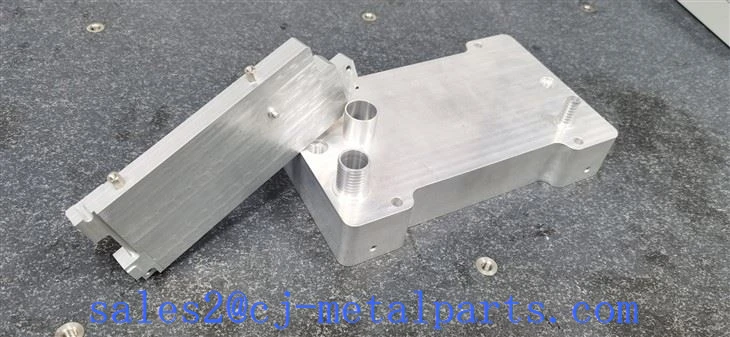
At our company, we are committed to providing top-notch CNC milling components that meet the highest standards of quality and reliability. We offer a wide range of services, including Liquid Cooling Plate, Prototype Service, and Aluminum Cnc Machining Parts. Our experienced team of engineers and technicians uses the latest technologies and best practices to ensure that our components are free from defects and perform optimally in your applications.
If you're interested in learning more about our CNC milling components or have any questions about preventing cracking during heat treatment, please don't hesitate to contact us. We'd be happy to discuss your specific requirements and provide you with a customized solution.
References
- ASM Handbook Volume 4: Heat Treating, ASM International
- Metals Handbook: Properties and Selection: Irons, Steels, and High-Performance Alloys, ASM International
- Heat Treatment Principles and Techniques, ASM International