


Hey there! As a supplier of CNC machining parts, I've been in the game for quite a while, and I know how crucial it is to optimize production efficiency. In this blog, I'm gonna share some tips and tricks that I've learned over the years to help you get the most out of your CNC machining processes.
Understanding the Basics of CNC Machining
Before we dive into the optimization strategies, let's quickly go over what CNC machining is. CNC stands for Computer Numerical Control, which means that the machining process is controlled by a computer program. This allows for high precision and repeatability, making it ideal for producing complex parts with tight tolerances.
In CNC machining, a cutting tool is used to remove material from a workpiece to create the desired shape. The cutting tool is guided by the computer program, which specifies the path and speed of the tool. There are several types of CNC machining processes, including milling, turning, drilling, and grinding.
Optimizing the Design of CNC Machining Parts
One of the first steps in optimizing production efficiency is to design the parts in a way that is easy to machine. This means minimizing the number of complex features and avoiding tight tolerances that are not necessary. Here are some tips for designing CNC machining parts:

- Simplify the geometry: Complex geometries can increase the machining time and cost. Try to simplify the design by using standard shapes and features whenever possible.
- Use standard sizes and materials: Using standard sizes and materials can reduce the lead time and cost of the parts. It also makes it easier to source the materials and tools needed for machining.
- Avoid tight tolerances: Tight tolerances require more precise machining and can increase the cost and time of production. Only specify tight tolerances when they are absolutely necessary.
- Design for manufacturability: Consider the machining process when designing the parts. Make sure that the design allows for easy access to the cutting tool and that the parts can be fixtured securely.
Selecting the Right CNC Machining Equipment
The type of CNC machining equipment you use can have a significant impact on production efficiency. Here are some factors to consider when selecting CNC machining equipment:
- Machine size and capacity: Choose a machine that is large enough to accommodate the size and weight of the parts you need to machine. Make sure that the machine has enough power and torque to handle the cutting forces.
- Spindle speed and power: The spindle speed and power determine the cutting speed and feed rate of the machine. Choose a machine with a high spindle speed and power to increase the machining efficiency.
- Tool changer capacity: A tool changer allows you to change the cutting tools automatically, which can save time and increase productivity. Choose a machine with a large tool changer capacity to reduce the number of tool changes.
- Control system: The control system of the machine determines the ease of use and programming capabilities. Choose a machine with a user-friendly control system that allows you to program the machining operations quickly and easily.
Optimizing the CNC Machining Process
Once you have designed the parts and selected the right CNC machining equipment, it's time to optimize the machining process. Here are some tips for optimizing the CNC machining process:
- Use high-speed machining techniques: High-speed machining techniques can significantly reduce the machining time and increase the productivity. These techniques involve using high spindle speeds, high feed rates, and small cutting tools.
- Optimize the cutting parameters: The cutting parameters, such as the cutting speed, feed rate, and depth of cut, have a significant impact on the machining efficiency and quality. Optimize these parameters based on the material being machined, the cutting tool, and the machine capabilities.
- Use coolant and lubrication: Coolant and lubrication can help to reduce the cutting forces, improve the surface finish, and extend the tool life. Use the right type and amount of coolant and lubrication for the machining operation.
- Implement automation and robotics: Automation and robotics can help to increase the productivity and reduce the labor costs. Consider using automated loading and unloading systems, robotic part handling, and CNC machining cells.
Managing the CNC Machining Workflow
In addition to optimizing the design, equipment, and process, it's also important to manage the CNC machining workflow effectively. Here are some tips for managing the CNC machining workflow:
- Plan the production schedule: Plan the production schedule in advance to ensure that the parts are produced on time and in the right quantity. Consider the lead time for materials, the machining time, and the availability of the equipment.
- Monitor the production process: Monitor the production process closely to identify any issues or bottlenecks. Use real-time data and analytics to track the performance of the machines and the operators.
- Implement quality control measures: Implement quality control measures to ensure that the parts meet the required specifications and standards. Use inspection tools and techniques, such as coordinate measuring machines (CMMs) and optical comparators, to verify the quality of the parts.
- Train and develop the operators: Train and develop the operators to ensure that they have the skills and knowledge to operate the CNC machines effectively. Provide ongoing training and support to keep the operators up-to-date with the latest technologies and techniques.
Conclusion
Optimizing the production efficiency of CNC machining parts is a continuous process that requires a combination of design optimization, equipment selection, process optimization, and workflow management. By following the tips and tricks outlined in this blog, you can increase the productivity, reduce the cost, and improve the quality of your CNC machining operations.
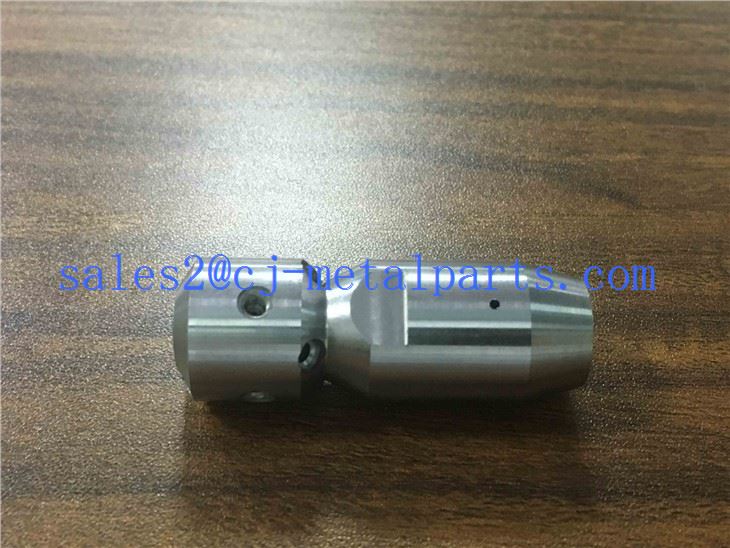
If you're looking for a reliable supplier of CNC machining parts, look no further! We specialize in producing high-quality Stainless Steel Machined Spray Nozzle and other CNC machining parts for a wide range of industries. Contact us today to discuss your requirements and get a quote.
References
- "CNC Machining Handbook" by Peter H. Radzevich
- "Manufacturing Engineering and Technology" by Serope Kalpakjian and Steven R. Schmid
- "Modern Machining Technology" by Robert L. Nowakowski