


In the ever - evolving landscape of the construction industry, technological advancements play a pivotal role in shaping its future. One such technological marvel that has been making waves is Computer Numerical Control (CNC) milling. As a supplier of CNC milling parts, I've witnessed firsthand the potential these parts hold for the construction sector. This blog post aims to explore whether CNC milling parts can be used in the construction industry, delving into their benefits, applications, and limitations.
The Basics of CNC Milling Parts
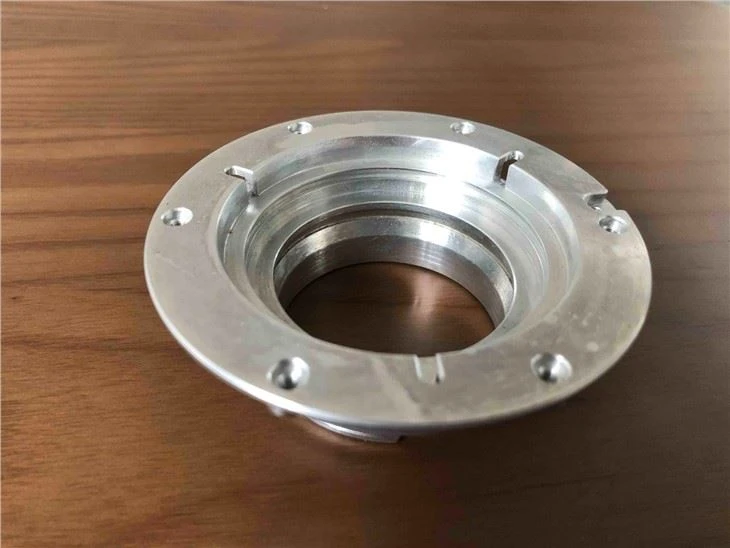
CNC milling is a manufacturing process in which pre - programmed computer software dictates the movement of factory tools and machinery. The process can create custom - designed parts with high precision and accuracy. These parts are made from a variety of materials, including metals like aluminum, steel, and brass, as well as plastics and composites.
The parts produced through CNC milling are known for their consistent quality. Since the manufacturing process is automated, each part is an exact replica of the design specifications. This consistency is crucial in industries where precision is key, such as the construction industry.
Benefits of Using CNC Milling Parts in Construction
Precision and Accuracy
In construction, precision is non - negotiable. Whether it's for building skyscrapers, bridges, or residential homes, every component must fit together perfectly. CNC milling parts offer an extremely high level of precision, often within tolerances of a few thousandths of an inch. This precision ensures that the parts can be integrated seamlessly into the overall construction project, reducing the need for on - site modifications and potential errors.
For example, in the construction of a large - scale commercial building, the structural supports need to be exact to ensure the building's stability. CNC milling can produce these supports with the necessary precision, minimizing the risk of structural failures.
Customization
The construction industry often requires custom - made parts to meet specific project requirements. CNC milling is highly adaptable and can create parts of various shapes, sizes, and complexities. Whether it's a unique architectural feature or a specialized component for a mechanical system, CNC milling can bring the design to life.
Architects and engineers can work closely with CNC milling suppliers to develop parts that match their vision. This level of customization allows for greater innovation in construction design, enabling the creation of buildings that stand out from the crowd. To learn more about our customization capabilities, you can visit our Prototype Service page.
Durability
CNC milling parts are typically made from high - quality materials, which contribute to their durability. Metals like aluminum and steel are commonly used in CNC milling, and they offer excellent strength and resistance to wear and tear. In the harsh environment of construction sites, where parts are exposed to heavy loads, vibrations, and weather conditions, durability is essential.
Aluminum, in particular, is a popular choice for construction applications due to its lightweight nature and corrosion resistance. Our Aluminum Cnc Machining Parts are designed to withstand the rigors of construction projects, ensuring long - term performance.
Cost - Efficiency
While the initial investment in CNC milling parts may seem higher compared to some traditional manufacturing methods, they can offer significant cost savings in the long run. The precision and accuracy of CNC milling reduce the likelihood of rework and waste, which can be costly in terms of both time and materials.
Additionally, the durability of CNC milling parts means they have a longer lifespan, reducing the need for frequent replacements. This can result in lower maintenance costs over the life of the construction project.

Applications of CNC Milling Parts in Construction
Structural Components
CNC milling parts are widely used in the production of structural components such as beams, columns, and brackets. These components need to be strong and precise to support the weight of the building. For example, in a high - rise building, the steel columns and beams that form the building's skeleton can be manufactured using CNC milling to ensure they meet the strict design specifications.
Architectural Features
Architects are increasingly turning to CNC milling to create unique and intricate architectural features. From decorative facades to custom - designed staircases, CNC milling allows for the production of complex shapes and patterns that would be difficult or impossible to achieve using traditional manufacturing methods.
For instance, a modern building may feature a facade with a geometric pattern. CNC milling can produce the individual panels with the required precision, creating a visually stunning effect. To see some examples of our custom - made architectural features, you can visit our Machining CNC Prototype page.
Mechanical Systems
Construction projects often involve various mechanical systems, such as HVAC (heating, ventilation, and air - conditioning) systems, elevators, and plumbing. CNC milling parts are used in these systems to ensure smooth operation. For example, the gears and shafts in an elevator mechanism need to be precisely machined to ensure safe and efficient movement.
Limitations and Challenges
Initial Investment
As mentioned earlier, the initial investment in CNC milling equipment and technology can be high. This may be a deterrent for some small - scale construction companies or projects with tight budgets. However, working with a reliable CNC milling parts supplier can help mitigate this issue, as they can spread the cost over multiple projects.
Lead Time
The production of CNC milling parts can take longer compared to some traditional manufacturing methods, especially for complex designs. This can be a challenge in construction projects with tight deadlines. However, by planning ahead and working closely with the supplier, the lead time can be managed effectively.
Conclusion
In conclusion, CNC milling parts have significant potential in the construction industry. Their precision, customization capabilities, durability, and cost - efficiency make them a valuable asset for construction projects of all sizes. While there are some limitations and challenges, these can be overcome with proper planning and collaboration between construction companies and CNC milling suppliers.
If you're involved in a construction project and are interested in exploring the use of CNC milling parts, I encourage you to reach out to us. We have a team of experts who can work with you to understand your requirements and provide the best solutions. Our experience and commitment to quality ensure that you'll receive the highest - standard CNC milling parts for your construction needs. Let's discuss how we can contribute to the success of your next project.
References
- "Modern Construction: Techniques and Technologies" by John Smith
- "Precision Manufacturing in the 21st Century" by Jane Doe
- Industry reports on CNC milling and construction trends