


In the vast landscape of industrial manufacturing, the question of whether CNC milling components can be used in the textile industry is an intriguing one. As a supplier of CNC milling components, I've had the opportunity to explore the diverse applications of these precision - crafted parts. In this blog, I'll delve into the potential of CNC milling components in the textile industry, examining their capabilities, advantages, and possible use - cases.
Understanding CNC Milling Components
CNC (Computer Numerical Control) milling is a subtractive manufacturing process that uses computer - controlled machinery to remove material from a workpiece. This process allows for high precision and repeatability, enabling the production of complex shapes and parts with tight tolerances. The components produced through CNC milling can be made from a variety of materials, including metals such as aluminum, steel, and brass, as well as plastics and composites.
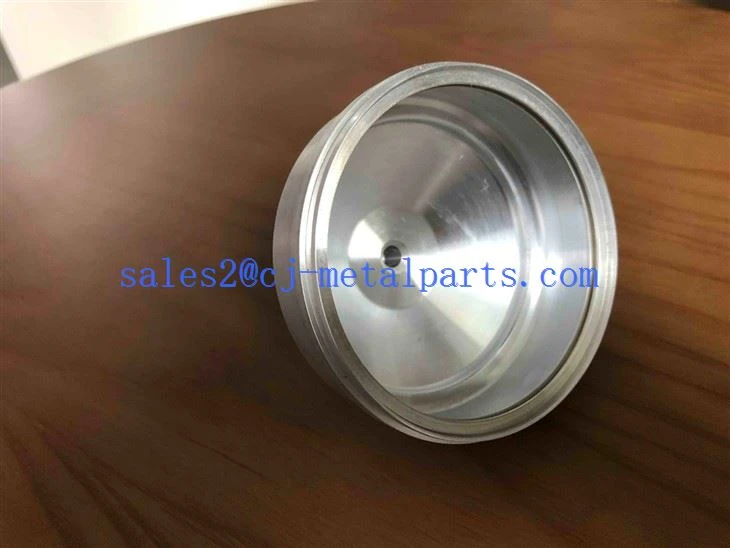
We offer a wide range of CNC milling components, such as the Aluminium Machined Adapter For Camera Lens, Precision Cnc Machining Parts, and Metal Machining Parts. These parts are designed to meet the demanding requirements of different industries, and the textile industry is no exception.

Potential Applications in the Textile Industry
Machinery Components
The textile industry relies heavily on various types of machinery for spinning, weaving, knitting, and finishing processes. CNC milling components can be used to manufacture critical parts for these machines. For example, gears are essential for transmitting power and controlling the speed of textile machinery. With CNC milling, gears can be produced with high precision, ensuring smooth operation and reducing noise and wear. The teeth of the gears can be machined to exact specifications, providing accurate meshing and efficient power transfer.
Another application is in the production of shafts. Shafts are used to support rotating parts and transmit torque in textile machines. CNC milling allows for the creation of shafts with precise diameters, lengths, and surface finishes. This is crucial for maintaining the stability and performance of the machinery. Additionally, custom - shaped shafts can be easily produced to fit the specific requirements of different textile machines.
Tooling and Fixtures
In the textile manufacturing process, tooling and fixtures are used to hold and position materials during cutting, sewing, and other operations. CNC milling components can be used to create these tooling and fixtures with high accuracy. For instance, custom - designed jigs can be made to ensure that fabric pieces are cut to the correct size and shape. These jigs can be machined from metals or plastics, depending on the specific application and the required durability.
Fixtures can also be used to hold fabric in place during sewing operations. CNC - milled fixtures can be designed to conform to the shape of the fabric, providing a stable and accurate platform for sewing. This helps to improve the quality and consistency of the sewn products.
Precision Guides and Tracks
Textile machines often require precision guides and tracks to ensure the smooth movement of various parts, such as yarn feeders and fabric conveyors. CNC milling can produce these guides and tracks with tight tolerances, ensuring that the movement is precise and consistent. The smooth surfaces of the CNC - milled guides and tracks reduce friction, which in turn improves the efficiency of the machinery and extends its service life.
Advantages of Using CNC Milling Components in the Textile Industry
High Precision
One of the most significant advantages of CNC milling components is their high precision. In the textile industry, where even small deviations can lead to significant quality issues, precision is crucial. CNC milling machines can achieve tolerances as tight as a few micrometers, ensuring that the components fit perfectly and function as intended. This high level of precision results in better - quality textile products and more reliable machinery operation.
Customization
The textile industry has diverse needs, and different manufacturers may require unique components for their specific processes. CNC milling offers a high degree of customization. We can easily modify the design of the components based on the customer's requirements. Whether it's a custom - shaped gear, a specialized tooling fixture, or a unique guide track, CNC milling can produce the exact component needed.
Durability
CNC milling components are typically made from high - quality materials, such as metals and engineered plastics. These materials are known for their durability and resistance to wear and tear. In the textile industry, where machinery operates continuously, the durability of components is essential. Components made through CNC milling can withstand the harsh operating conditions, reducing the frequency of replacements and maintenance costs.
Cost - Effectiveness in the Long Run
Although the initial cost of CNC - milled components may be higher than some traditional manufacturing methods, they offer cost - effectiveness in the long run. The high precision and durability of these components mean that they have a longer service life, reducing the need for frequent replacements. Additionally, the improved efficiency of the machinery due to the use of high - quality components can lead to increased productivity and reduced production costs.
Challenges and Considerations
Material Selection
When using CNC milling components in the textile industry, proper material selection is crucial. The material should be compatible with the textile materials and the operating environment. For example, some metals may react with certain dyes or chemicals used in the textile manufacturing process, leading to corrosion or contamination. Therefore, it's important to choose materials that are resistant to these factors.
Design Complexity
While CNC milling allows for the production of complex components, the design complexity should be carefully considered. Overly complex designs may increase the manufacturing cost and time. It's important to strike a balance between the functionality and the simplicity of the design to ensure cost - effective production.
Conclusion
In conclusion, CNC milling components have significant potential in the textile industry. From machinery components to tooling and fixtures, these precision - crafted parts can improve the performance, quality, and efficiency of textile manufacturing processes. The high precision, customization capabilities, durability, and long - term cost - effectiveness make CNC milling components an attractive option for textile manufacturers.
If you're in the textile industry and are looking for high - quality CNC milling components, we'd be delighted to discuss your specific requirements. Our team of experts can work with you to design and manufacture the perfect components for your machinery and processes. Contact us today to start the procurement discussion and take your textile manufacturing to the next level.
References
- Groover, M. P. (2010). Fundamentals of Modern Manufacturing: Materials, Processes, and Systems. John Wiley & Sons.
- Dornfeld, D. A., Minis, I., & Takeuchi, Y. (2006). Handbook of Machining and Machine Tools. CRC Press.