


Can CNC machining parts be anodized?
As a seasoned supplier of CNC machining parts, I often encounter questions from clients regarding the various finishing processes applicable to our products. One such frequently asked question is whether CNC machining parts can be anodized. In this blog post, I'll delve into this topic, exploring the feasibility, benefits, and considerations of anodizing CNC machining parts.
Understanding Anodizing
Anodizing is an electrochemical process that converts the metal surface into a decorative, durable, corrosion - resistant, anodic oxide finish. This process is most commonly used on aluminum, but it can also be applied to other metals such as magnesium and titanium. During anodizing, the metal part acts as the anode in an electrolytic cell. When an electric current is passed through the cell, oxygen ions are released from the electrolyte and react with the metal surface to form an oxide layer.
Can CNC Machining Parts be Anodized?
The short answer is yes, many CNC machining parts can be anodized. However, it depends on the material of the part. Aluminum is the most popular choice for anodizing in the context of CNC machining. CNC machining allows for the precise shaping of aluminum parts, and anodizing can then enhance their appearance and performance.
For example, aluminum CNC - machined enclosures for electronic devices can be anodized. The anodized finish not only provides a protective layer against scratches and corrosion but also gives the enclosure a sleek and professional look. Similarly, aluminum brackets, handles, and other structural components can benefit from anodizing.
Other metals like titanium and magnesium that can be CNC machined can also undergo anodizing. Titanium anodizing can create a variety of colors through controlled oxidation, which is often used in the jewelry and aerospace industries. Magnesium anodizing can improve its corrosion resistance, making it suitable for applications in harsh environments.
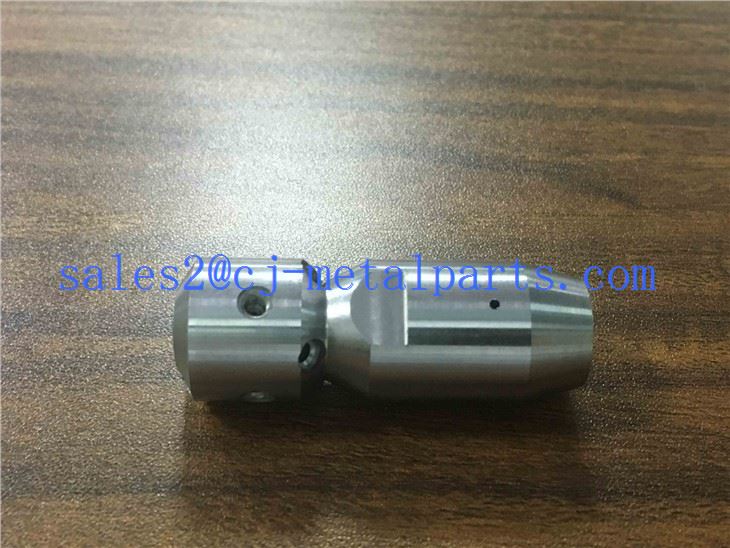
However, some metals are not suitable for anodizing. Stainless steel, for instance, does not anodize in the same way as aluminum, titanium, or magnesium. While there are some processes that can create a colored or protective layer on stainless steel, they are not true anodizing in the electrochemical sense. For a high - quality Stainless Steel Machined Spray Nozzle, alternative finishing methods such as passivation or electroplating might be more appropriate.
Benefits of Anodizing CNC Machining Parts
1. Corrosion Resistance
One of the primary benefits of anodizing is improved corrosion resistance. The anodic oxide layer acts as a barrier between the metal and the environment, preventing moisture and other corrosive agents from reaching the underlying metal. This is especially important for parts that are exposed to harsh conditions, such as outdoor equipment or marine applications.
2. Wear Resistance
Anodized surfaces are generally harder than the base metal, which means they are more resistant to wear and abrasion. This makes anodized CNC machining parts suitable for applications where there is a lot of friction or contact with other components, such as gears, shafts, and bearings.

3. Aesthetic Appeal
Anodizing can create a wide range of colors and finishes, from natural metallic tones to bright and vibrant colors. This allows for greater design flexibility, making it possible to customize the appearance of CNC machining parts to meet specific aesthetic requirements. For example, anodized aluminum parts can be used in architectural applications to add a touch of style and modernity.
4. Electrical Insulation
The anodic oxide layer is an electrical insulator, which can be useful in electrical and electronic applications. Anodized parts can be used to prevent electrical short - circuits or to isolate components from each other.
Considerations Before Anodizing CNC Machining Parts
1. Design Tolerances
Anodizing adds a thin layer of oxide to the surface of the metal, which can slightly increase the dimensions of the part. This needs to be taken into account during the design and machining process. If tight tolerances are required, the anodizing process should be factored in to ensure that the final part meets the specifications.
2. Surface Finish
The quality of the anodized finish is highly dependent on the initial surface finish of the CNC machining part. Any scratches, tool marks, or other surface imperfections will be visible after anodizing. Therefore, it's important to achieve a smooth and uniform surface finish before anodizing.
3. Compatibility with Other Processes
If the CNC machining part is going to undergo other finishing processes or be assembled with other components, the anodizing process needs to be compatible. For example, if the part is going to be painted or glued, the anodized surface may need to be treated to ensure proper adhesion.
4. Cost
Anodizing is an additional cost to the CNC machining process. The cost can vary depending on the size of the part, the type of metal, and the desired finish. It's important to weigh the benefits of anodizing against the cost to determine if it's a cost - effective solution for your application.
The Anodizing Process for CNC Machining Parts
The anodizing process for CNC machining parts typically involves the following steps:
1. Cleaning
The part is thoroughly cleaned to remove any dirt, oil, or other contaminants from the surface. This is usually done using a combination of chemical cleaners and mechanical methods such as ultrasonic cleaning.
2. Etching
The part is then etched to remove any surface oxides and to create a uniform surface for anodizing. Etching can be done using chemical solutions or by mechanical means.
3. Anodizing
The cleaned and etched part is placed in an electrolytic cell and an electric current is passed through it. The type of electrolyte and the electrical parameters are carefully controlled to achieve the desired thickness and properties of the anodic oxide layer.
4. Coloring (Optional)
If a colored finish is desired, the part can be immersed in a dye solution after anodizing. The dye is absorbed into the porous anodic oxide layer, creating a permanent color.
5. Sealing
The anodized part is then sealed to close the pores in the anodic oxide layer, improving its corrosion resistance and durability. Sealing can be done using hot water, steam, or chemical sealants.
Conclusion
In conclusion, many CNC machining parts can be anodized, especially those made of aluminum, titanium, and magnesium. Anodizing offers numerous benefits, including improved corrosion resistance, wear resistance, aesthetic appeal, and electrical insulation. However, there are also several considerations to keep in mind, such as design tolerances, surface finish, compatibility with other processes, and cost.
As a supplier of CNC machining parts, I'm well - versed in the anodizing process and can help you determine if anodizing is the right finishing option for your parts. Whether you need a simple aluminum bracket or a complex titanium component, we have the expertise and capabilities to provide high - quality anodized CNC machining parts.
If you're interested in our CNC machining parts and want to discuss the possibility of anodizing for your specific application, please don't hesitate to contact us. We're always ready to engage in a detailed discussion and work with you to find the best solutions for your needs.
References
- "The Aluminum Association: Anodizing of Aluminum"
- "ASM Handbook: Volume 5 - Surface Engineering"
- "Metal Finishing Guidebook"