


Yo, folks! I'm a supplier of brass connectors, and today I wanna chat about something that's been on my mind a lot - are brass connectors compatible with other metals? It's a question that comes up quite often, especially when you're in the business of dealing with all sorts of metal components.
First off, let's talk a bit about brass itself. Brass is an alloy made up mainly of copper and zinc. This combination gives it some pretty cool properties. It's got good corrosion resistance, it's relatively easy to machine, and it conducts electricity well. These are all reasons why brass connectors are so popular in a bunch of different industries.
Now, when it comes to compatibility with other metals, it's not a one - size - fits - all answer. It really depends on a few factors, like the type of other metal, the environment they're in, and how they're connected.
Let's start with steel. Steel is one of the most commonly used metals out there. When brass and steel are in contact, there's a potential for galvanic corrosion. Galvanic corrosion happens when two different metals are in an electrolyte (like water or moisture in the air) and form a galvanic cell. In this case, brass is more noble than steel, which means the steel will act as the anode and corrode faster. But don't worry too much! There are ways to prevent this. You can use a dielectric coating or a non - conductive gasket between the brass connector and the steel part. This will break the electrical connection between the two metals and stop the galvanic corrosion from happening.
Another metal that brass might come into contact with is aluminum. Aluminum is lightweight and has good corrosion resistance on its own. However, when it's paired with brass, there can be issues. Just like with steel, galvanic corrosion can occur. Aluminum is less noble than brass, so it will corrode. In an outdoor or high - humidity environment, this corrosion can be pretty rapid. To make them work together, you can use isolation techniques. For example, you can coat the aluminum with a protective layer or use a plastic spacer between the brass connector and the aluminum.

Copper is a bit of a different story. Since brass already contains a significant amount of copper, it's generally more compatible with pure copper. They have similar electrochemical properties, so the risk of galvanic corrosion is much lower. In fact, brass connectors are often used in copper - based electrical systems because of this compatibility. They can provide a reliable connection without much worry about corrosion.
Now, let's talk about some of the products we offer. We have a great Brass Connector For Surge Protectors. These connectors are designed to be used in surge protector systems. They need to be reliable and have good electrical conductivity. The brass material ensures that they can handle the electrical currents and provide a stable connection. And because of the relatively good compatibility with other metals commonly used in electrical systems, they can be easily integrated.
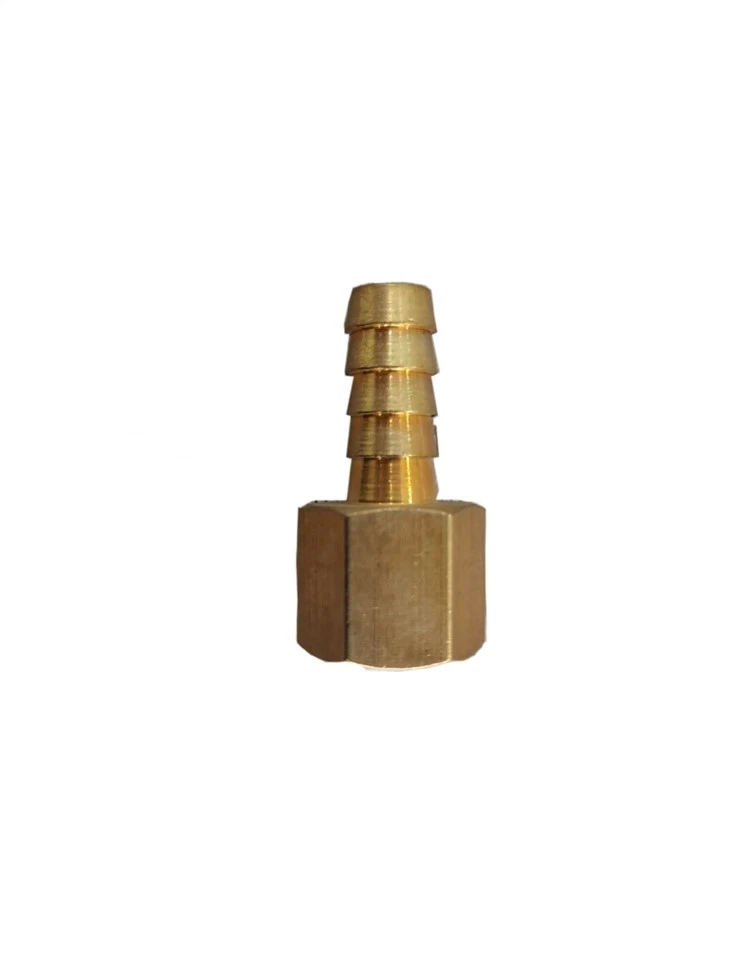
Our Brass Connector for Hose is another popular product. It's used in all sorts of hose systems, whether it's for water, gas, or other fluids. The corrosion - resistant properties of brass make it a great choice for these applications. And when it comes to connecting to other metal parts in the hose system, we've taken into account the compatibility issues. We can provide advice on how to ensure a long - lasting and leak - free connection.
The Brass Dual Tap Connector is also a top - seller. It's useful in plumbing and other systems where you need to split a connection. Again, the brass construction gives it durability and the ability to work well with different types of pipes and fittings.
So, as you can see, while there are some potential compatibility issues when using brass connectors with other metals, there are also solutions. With the right knowledge and proper installation techniques, you can make these combinations work effectively.
If you're in the market for high - quality brass connectors and need more information about their compatibility with other metals or just want to place an order, don't hesitate to reach out. We're here to help you find the best solutions for your specific needs. Whether you're working on a small DIY project or a large - scale industrial application, we've got the right brass connectors for you.
Let's work together to make your projects a success!
References:
- "Corrosion Basics" by the National Association of Corrosion Engineers (NACE).
- "Metals Handbook" published by ASM International.