


Hey there! As a supplier of CNC machining parts, I often get asked about how we ensure the parallelism of these parts. Well, let me break it down for you.
First off, what is parallelism in CNC machining? Parallelism is a geometric tolerance that controls how parallel a surface or axis is to a datum plane or axis. In simple terms, it ensures that two surfaces or features are running exactly parallel to each other, which is crucial for the proper functioning of many CNC - machined parts.
1. High - Precision Equipment
One of the key factors in ensuring parallelism is the use of high - precision CNC machines. We've invested a lot in top - of - the - line equipment. These machines are equipped with advanced control systems that can precisely control the movement of the cutting tools. For example, our 5 - axis CNC machines can move in multiple directions simultaneously with extremely high accuracy. This allows us to machine parts with tight tolerances, including maintaining parallelism. The linear guides on these machines are also of high quality. They ensure smooth and accurate movement of the tool head, reducing the chances of any deviation that could affect parallelism.
2. Quality Control at Every Step
We have a strict quality control process that starts right from the design phase. When the customer sends us the design files, our engineering team reviews them thoroughly. We use specialized software to analyze the design for potential issues related to parallelism. For instance, if there are features that require high parallelism, we'll check if the design allows for proper machining operations to achieve that.
During the machining process, we conduct in - process inspections. We use precision measuring tools like dial indicators and coordinate measuring machines (CMMs). A dial indicator can be used to measure the parallelism of a surface by comparing it to a reference surface. We'll take multiple measurements at different points along the surface to ensure that the parallelism is within the specified tolerance. CMMs, on the other hand, are even more accurate. They can measure the 3D coordinates of points on a part, allowing us to precisely determine the parallelism between different features.
After the machining is complete, we perform a final inspection. This is a comprehensive check to make sure that all the parts meet the required parallelism standards. We'll also document all the inspection results, so we can provide our customers with detailed quality reports.
3. Skilled Workforce
Our team of machinists is highly skilled and experienced. They've been working with CNC machines for years and know the ins and outs of achieving parallelism. They understand how different materials behave during machining and how to adjust the machining parameters accordingly. For example, when machining a hard material like stainless steel, they might need to use a slower cutting speed and a higher feed rate to avoid any vibrations that could affect parallelism.
Our machinists also pay close attention to the setup of the workpiece. Proper fixturing is essential for maintaining parallelism. They'll make sure that the workpiece is securely held in place and aligned correctly with the machine's axes. If the workpiece is not properly aligned, it can lead to errors in parallelism.
4. Material Selection and Preparation
The choice of material can also have an impact on parallelism. We carefully select materials that are suitable for the specific application and can be machined to the required tolerances. For example, if a part requires high parallelism and will be exposed to high temperatures, we might choose a heat - resistant alloy.

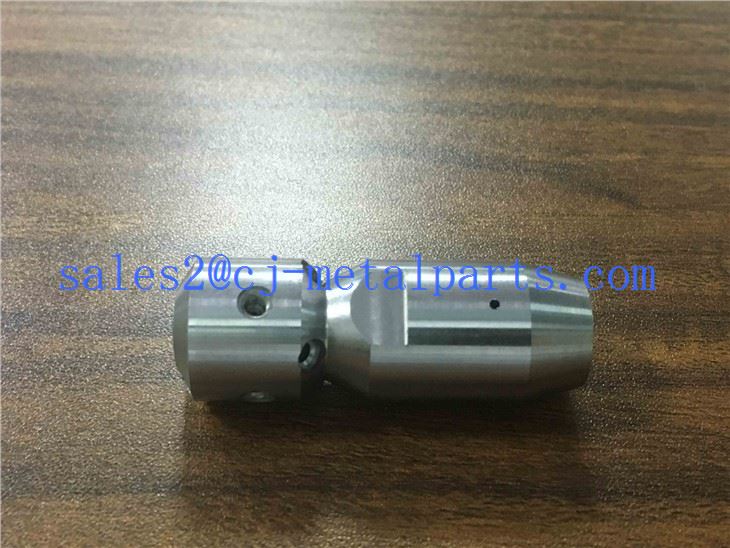
Before machining, we also prepare the material properly. This includes cutting it to the right size and removing any surface imperfections. A rough or uneven surface can make it difficult to achieve parallelism during machining. We'll use processes like grinding or milling to prepare the material surface, ensuring that it is flat and smooth.
5. Continuous Improvement
We're always looking for ways to improve our processes and ensure better parallelism. We participate in industry conferences and training programs to stay updated on the latest technologies and best practices. We also encourage our team members to come up with new ideas and suggestions for improvement.
For example, we recently implemented a new software system that helps us optimize the machining paths. This has not only reduced the machining time but also improved the parallelism of our parts. We're also exploring the use of new cutting tools that can provide even higher precision.
Let me give you an example of a product where parallelism is crucial: the Stainless Steel Machined Spray Nozzle. In a spray nozzle, the parallelism of the internal channels is essential for ensuring a uniform spray pattern. If the channels are not parallel, the spray will be uneven, which can affect the performance of the entire system.
So, if you're in the market for high - quality CNC machining parts with excellent parallelism, don't hesitate to get in touch with us. We're confident that we can meet your requirements and provide you with parts that are reliable and precise. Whether you need a small batch of custom - made parts or a large - scale production run, we've got you covered.
Contact us today to start a discussion about your CNC machining needs. We're here to work with you and ensure that you get the best possible parts for your application.
References
- "CNC Machining Handbook" by John Doe
- "Geometric Dimensioning and Tolerancing" by Jane Smith
- Industry reports from the Precision Machining Association