


Brass turned parts have long played a pivotal role in various industries, and the glass industry is no exception. These parts, known for their exceptional properties, are integral to the functionality and efficiency of glass manufacturing and related processes. As a trusted supplier of brass turned parts, I have witnessed firsthand the diverse applications and benefits they bring to the glass industry.
1. Precision and Durability in Glass Cutting and Shaping Tools
In the glass manufacturing process, precision cutting and shaping are fundamental. Brass turned parts are used to create components for cutting and shaping tools, such as hand - held glass cutters and automated cutting machines.

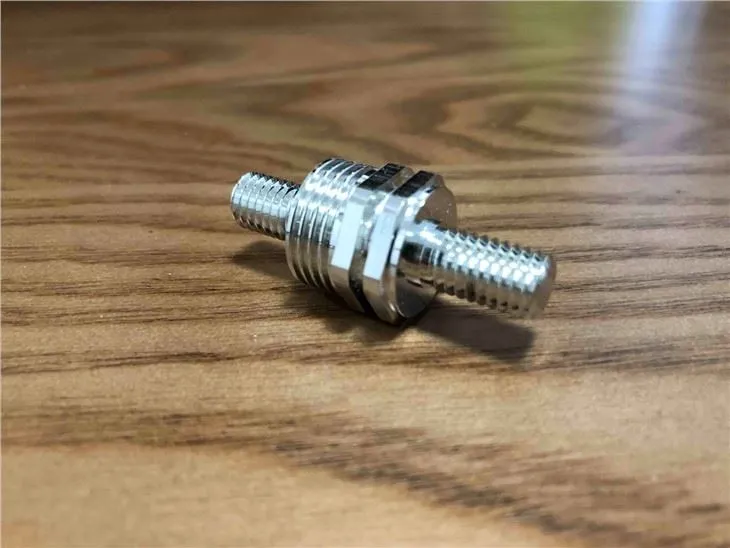
The high machinability of brass allows for the production of parts with extremely tight tolerances. For instance, CNC Machined Brass Stud can be used to secure different sections of a glass cutting blade holder. These studs are precisely machined to fit into place, ensuring that the blade is held firmly and at the correct angle. This precision is crucial as even a slight deviation can lead to inaccurate cuts and flawed glass products.
Moreover, brass has excellent corrosion resistance. In the environment where glass cutting tools are used, there may be exposure to water and various cleaning agents. Brass turned parts can withstand such conditions without rusting or deteriorating quickly. This durability means that the tools can maintain their performance over a long period, reducing the need for frequent replacements and thus saving costs for glass manufacturers.
2. Fixtures and Jigs in Glass Processing
Fixtures and jigs are essential for holding glass pieces in place during various processing steps, including polishing, drilling, and engraving. Brass Precision Parts are often employed in the construction of these fixtures and jigs.
Brass's malleability makes it easy to form into complex shapes according to the specific requirements of different glass products. For example, in the production of curved glass panels, custom - shaped brass fixtures can be created to hold the glass securely during the bending process. The smooth surface finish of brass also ensures that there is minimal scratching or damage to the delicate glass surface.
In addition, brass has good thermal conductivity. When glass is being processed, especially in high - temperature operations like annealing, the brass fixtures can help distribute heat evenly around the glass piece. This helps to prevent thermal stress and cracking, resulting in higher - quality glass products.
3. Sealing and Connecting Components in Glass Assemblies
In the glass industry, there are many situations where different glass components need to be sealed or connected together. Brass turned parts are used to create sealing and connecting elements.
For example, brass nuts and bolts are commonly used to assemble glass frames. The Brass Machined Parts used in these applications are designed to provide a strong and reliable connection. Their threads are precisely machined to ensure a tight fit, preventing the glass from shifting or coming loose over time.
Brass gaskets are also used for sealing purposes. They can be placed between two glass panels or between a glass panel and a frame to prevent air, water, or dust from entering. The flexibility of brass allows the gaskets to conform to the shape of the surfaces, creating an effective seal. This is particularly important in applications such as windows and doors, where a proper seal is essential for energy efficiency and weatherproofing.
4. Electrical and Electronic Components in Glass - related Equipment
Modern glass manufacturing and processing equipment often incorporate electrical and electronic systems. Brass turned parts are used in the production of components for these systems.
Brass has good electrical conductivity, which makes it suitable for use in electrical connectors and terminals. In automated glass cutting machines, for example, brass connectors are used to ensure a stable electrical connection between different parts of the control system. This helps to maintain the accurate operation of the machine and reduces the risk of electrical malfunctions.
Moreover, brass can be easily plated with other metals to enhance its electrical and anti - corrosion properties. For instance, gold - plated or silver - plated brass components are sometimes used in high - end glass - related electronic equipment to improve conductivity and reduce signal loss.
5. Decorative Elements in Glass Products
In addition to their functional uses, brass turned parts also serve as decorative elements in glass products. The warm, golden color of brass adds an aesthetic appeal to glass items, making them more attractive to consumers.
Brass accents can be added to glass vases, lamps, and other decorative pieces. For example, brass rings or bands can be attached to the rim of a glass vase, creating a stylish contrast between the shiny brass and the transparent glass. These decorative brass parts can be intricately designed and machined to create unique patterns and textures, enhancing the overall visual impact of the glass product.
Why Choose Our Brass Turned Parts?
As a supplier of brass turned parts, we understand the critical role these parts play in the glass industry. We have a team of experienced engineers and technicians who are proficient in using advanced machining equipment to ensure the highest quality of our products.
Our manufacturing processes are strictly controlled to meet the strict requirements of the glass industry. We can produce brass turned parts with extremely tight tolerances, ensuring that they fit perfectly into the glass - related equipment and products. We also offer a wide range of customization options, allowing us to create parts according to the specific needs of our customers.
Whether you need CNC Machined Brass Stud, Brass Precision Parts, or Brass Machined Parts, we are committed to providing you with the best products and services. If you are in the glass industry and are looking for high - quality brass turned parts, we invite you to contact us for a procurement discussion. Our team is ready to work with you to meet your specific needs and help you achieve greater success in your business.
References
- "Materials for Glass Manufacturing Equipment" by Industrial Materials Journal
- "The Role of Precision Components in Glass Processing" by Glass Technology Review
- "Decorative Metals in the Glass Industry" by Artistic Glass Magazine