


As a stamping tooling supplier, I've seen firsthand the growth and evolution of the industry. Stamping tooling is used in a wide range of applications, from automotive parts to consumer electronics. But with the increasing focus on environmental sustainability, it's important to take a closer look at the environmental impacts of stamping tooling production.
Raw Material Extraction and Processing
The first step in stamping tooling production is the extraction of raw materials. Most stamping tools are made from metals like steel, aluminum, and copper. The mining of these metals can have significant environmental impacts. For example, open - pit mining can lead to deforestation, soil erosion, and water pollution. Heavy metals and chemicals used in the mining process can seep into water sources, harming aquatic life and potentially contaminating drinking water.
Once the metals are mined, they need to be processed into usable forms. This involves smelting, which requires a large amount of energy. Most of the energy used in smelting comes from fossil fuels, such as coal and natural gas. Burning these fossil fuels releases greenhouse gases like carbon dioxide (CO₂), which contribute to global warming. Additionally, smelting can produce other pollutants, such as sulfur dioxide (SO₂) and particulate matter, which can cause air pollution and respiratory problems.
Manufacturing Process
The actual manufacturing of stamping tooling also has environmental implications. Machining operations, such as milling, turning, and grinding, are commonly used to shape the metal into the desired tooling components. These operations generate a significant amount of waste material in the form of metal chips and shavings. If not properly managed, this waste can end up in landfills, taking up valuable space and potentially leaching harmful substances into the soil.
Coolants and lubricants are often used during machining to reduce friction and heat, and to improve the quality of the finished product. However, these coolants and lubricants can be toxic and difficult to dispose of properly. If they are released into the environment without treatment, they can contaminate water bodies and harm aquatic ecosystems.
Energy Consumption
Stamping tooling production is an energy - intensive process. From the initial raw material processing to the final assembly, a large amount of electricity and other forms of energy are used. In addition to the energy used in machining operations, energy is also required for heat treatment processes, such as annealing and quenching, which are used to improve the mechanical properties of the metal.
The high energy consumption in stamping tooling production not only contributes to greenhouse gas emissions but also puts a strain on the energy grid. As the demand for stamping tooling continues to grow, the energy requirements will also increase, unless more energy - efficient technologies are adopted.
Waste Generation and Disposal
As mentioned earlier, waste generation is a major issue in stamping tooling production. In addition to the metal waste from machining operations, there is also waste generated from the disposal of worn - out or defective tools. Stamping tools have a limited lifespan and need to be replaced periodically. When these tools are discarded, they often end up in landfills, where they can take a long time to decompose.
Moreover, the packaging materials used to protect stamping tools during transportation also contribute to waste. Cardboard boxes, plastic wraps, and foam inserts are commonly used for packaging, and a significant amount of these materials are thrown away after the tools are delivered.
Mitigating the Environmental Impacts
Despite these environmental challenges, there are several ways to mitigate the impacts of stamping tooling production. One of the most effective ways is to improve the efficiency of raw material use. This can be achieved through better design and planning, which can reduce the amount of waste generated during machining. For example, using advanced computer - aided design (CAD) and manufacturing (CAM) technologies can optimize the cutting paths and reduce the amount of excess material removed.
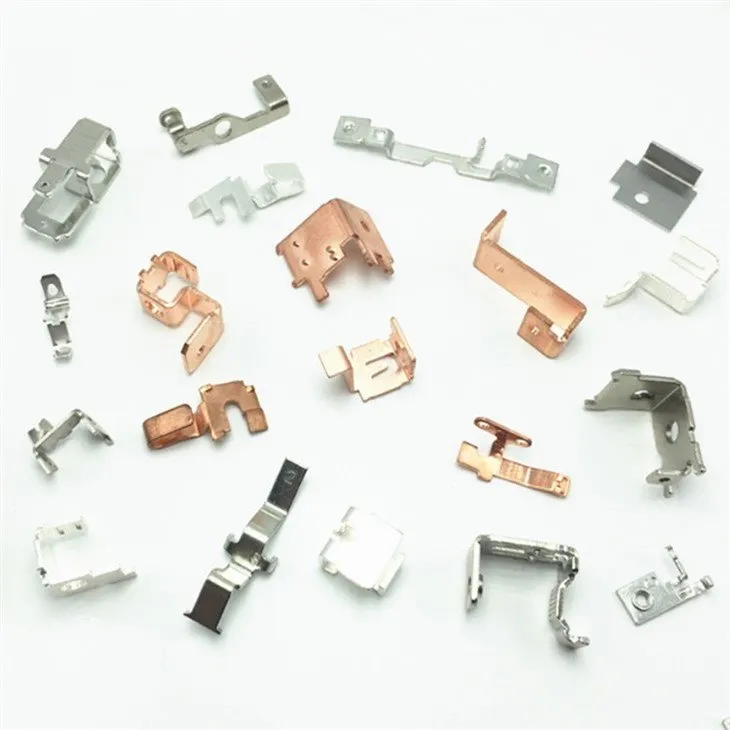
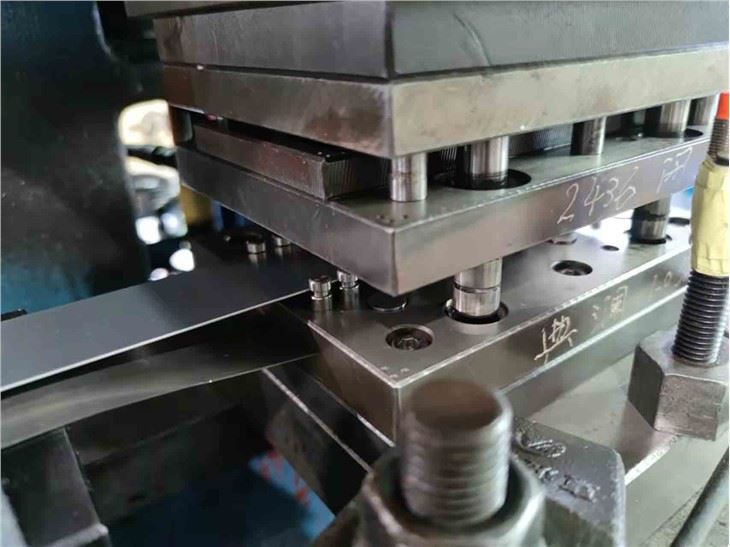
Recycling is another important strategy. Metal waste from machining operations can be recycled and reused in the production of new stamping tools. Recycling not only reduces the demand for virgin raw materials but also saves energy, as recycling metals generally requires less energy than extracting and processing new metals.
In terms of energy consumption, switching to renewable energy sources is a great option. Solar panels, wind turbines, and other renewable energy technologies can be installed at the manufacturing facility to power the production processes. This can significantly reduce the carbon footprint of stamping tooling production.
Proper waste management is also crucial. Coolants and lubricants should be recycled or treated before disposal to minimize their environmental impact. Additionally, efforts should be made to reduce the use of packaging materials and to use more sustainable packaging options, such as biodegradable or recyclable materials.
Our Role as a Stamping Tooling Supplier
As a stamping tooling supplier, we have a responsibility to minimize the environmental impacts of our production processes. We are constantly looking for ways to improve our manufacturing practices and reduce our carbon footprint. For example, we have invested in energy - efficient machinery and equipment, which consume less electricity and produce less waste.
We also encourage our customers to consider the environmental aspects when purchasing stamping tooling. By choosing more sustainable products and production methods, we can all contribute to a greener future.
If you're in the market for high - quality stamping tooling, we offer a wide range of products, including Metal Stamping Dies, Progressive Stamping Tool, and Metal Tooling For Shielding Case. Our products are not only reliable and efficient but also produced with the environment in mind.
We're always open to discussions about how we can further improve our environmental performance and meet your specific requirements. If you're interested in learning more about our stamping tooling products or have any questions regarding our environmental initiatives, feel free to reach out to us for a procurement discussion.
References
- "Environmental Impacts of Metal Manufacturing." Environmental Protection Agency.
- "Sustainable Manufacturing in the Metalworking Industry." World Steel Association.
- "Energy Efficiency in Machining Operations." International Journal of Machine Tools and Manufacture.