


As a supplier of CNC lathing parts, I've witnessed firsthand the significance of precision and quality in the manufacturing process. CNC (Computer Numerical Control) lathing is a highly efficient and accurate method for producing a wide range of parts, from Long Aluminium Eye Bolts to Anodized Aluminium Cover For Electronic Parts and Aluminum Cnc Turning Parts. However, even with advanced technology, there are common mistakes that can occur during the machining process, leading to sub - standard parts and increased costs. In this blog, I'll share some of these common mistakes and how to avoid them.
1. Inadequate Material Selection
One of the most fundamental mistakes in CNC lathing is choosing the wrong material for the part. Different materials have distinct properties such as hardness, ductility, and thermal conductivity, which can significantly impact the machining process and the final product's performance. For example, if you're machining a part that requires high strength and corrosion resistance, using a low - grade aluminum alloy instead of a more suitable stainless steel could lead to premature failure of the part.
To avoid this mistake, it's crucial to have a clear understanding of the part's intended application. Consider factors like the operating environment, load requirements, and any chemical or physical stresses the part will encounter. Consult with material experts or refer to industry standards to select the most appropriate material. Additionally, ensure that the material you source is of high quality and meets the required specifications.
2. Poor Tool Selection and Maintenance
The choice of cutting tools is another critical aspect of CNC lathing. Using the wrong tool can result in poor surface finish, inaccurate dimensions, and increased tool wear. For instance, a dull or inappropriate cutting edge can cause excessive heat generation, which may lead to material deformation and a decrease in the tool's lifespan.

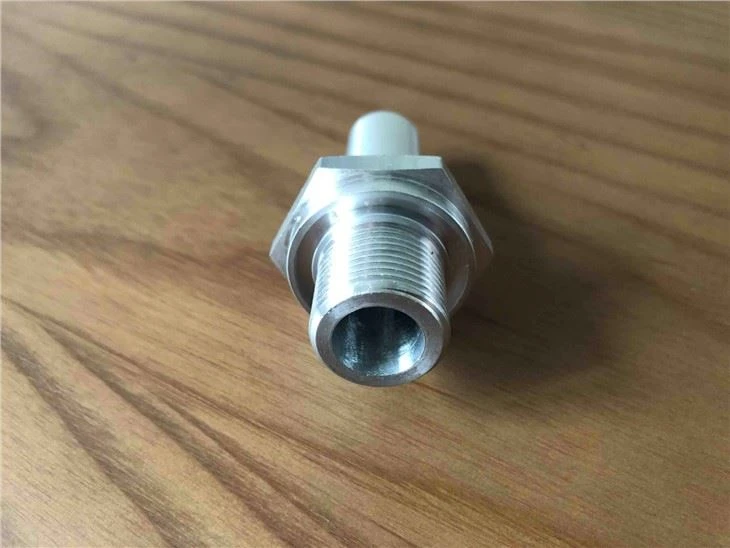
When selecting tools, consider the material being machined, the required cutting speed, and the desired surface finish. Different materials may require specific tool geometries and coatings to optimize the cutting process. For example, carbide tools are often preferred for machining hard materials due to their high hardness and wear resistance.
Regular tool maintenance is also essential. Inspect tools regularly for signs of wear, such as chipping or dulling, and replace them as needed. Proper tool storage is also crucial to prevent damage. Keep tools in a clean, dry environment and use appropriate tool holders to ensure they are securely mounted during machining.
3. Incorrect Programming
CNC lathing relies on accurate programming to control the movement of the cutting tool and the workpiece. Incorrect programming can lead to a variety of issues, including incorrect dimensions, poor surface finish, and even machine crashes.
One common programming mistake is using incorrect feed rates and spindle speeds. If the feed rate is too high, the tool may not be able to remove material effectively, resulting in a rough surface finish and increased tool wear. On the other hand, if the spindle speed is too low, the machining process will be inefficient, and the part may not meet the required specifications.
To avoid programming errors, it's important to have a thorough understanding of the CNC programming language and the machine's capabilities. Use simulation software to test the program before running it on the actual machine. This allows you to identify and correct any potential issues, such as tool collisions or incorrect tool paths, before they cause damage to the machine or the part.
4. Improper Workholding
Proper workholding is essential to ensure the stability of the workpiece during machining. If the workpiece is not held securely, it can move or vibrate, leading to inaccurate dimensions and a poor surface finish. For example, if a part is not clamped tightly enough, it may shift during the cutting process, resulting in a deviation from the desired shape.
There are various workholding methods available, such as chucks, vises, and fixtures. The choice of workholding method depends on the shape, size, and material of the workpiece. When using a chuck, ensure that it is properly aligned and tightened to prevent the workpiece from slipping. For irregularly shaped parts, custom fixtures may be required to provide a secure hold.
Regularly inspect the workholding devices for any signs of wear or damage. Replace worn - out components promptly to maintain the integrity of the workholding system.
5. Lack of Quality Control
Quality control is an integral part of the CNC lathing process. Failing to implement a comprehensive quality control system can result in the production of defective parts. Without proper inspection, these parts may be shipped to customers, leading to customer dissatisfaction and potential returns.
Establish a quality control plan that includes in - process inspections and final inspections. Use precision measuring tools such as calipers, micrometers, and coordinate measuring machines (CMMs) to verify the dimensions and surface finish of the parts. Inspect parts at multiple stages of the machining process to catch any issues early on and make necessary adjustments.
Document all quality control results to track the performance of the machining process over time. This data can be used to identify trends and areas for improvement.
6. Ignoring Machine Calibration
CNC machines need to be properly calibrated to ensure accurate and consistent machining. Over time, factors such as wear and tear, temperature changes, and mechanical stress can cause the machine to deviate from its original calibration. Ignoring machine calibration can lead to dimensional inaccuracies in the parts being machined.
Regularly calibrate your CNC lathe according to the manufacturer's recommendations. This may involve checking and adjusting the machine's axes, spindle, and other critical components. Use calibration tools and equipment to ensure that the machine is operating within the specified tolerances. Additionally, keep a record of all calibration activities for traceability and quality assurance purposes.
7. Insufficient Cooling and Lubrication
During the CNC lathing process, a significant amount of heat is generated due to the friction between the cutting tool and the workpiece. Without proper cooling and lubrication, this heat can cause the material to expand, leading to dimensional inaccuracies and poor surface finish. Excessive heat can also accelerate tool wear and reduce the tool's lifespan.
Use appropriate cutting fluids or coolants to dissipate heat and lubricate the cutting process. The choice of coolant depends on the material being machined and the machining operation. For example, water - based coolants are commonly used for general machining operations, while oil - based coolants may be preferred for machining materials that require better lubrication.
Ensure that the coolant is applied at the correct flow rate and pressure. Monitor the coolant level regularly and replace it as needed to maintain its effectiveness.
8. Lack of Operator Training
Even the most advanced CNC machines require skilled operators to achieve optimal results. A lack of proper training can lead to operator errors, which can have a significant impact on the quality of the machined parts.
Invest in comprehensive operator training programs to ensure that your operators are proficient in all aspects of CNC lathing, including machine operation, programming, tool selection, and quality control. Provide ongoing training to keep operators updated on the latest technologies and best practices in the industry. Encourage operators to share their knowledge and experiences to improve the overall efficiency of the machining process.
Conclusion
Avoiding these common mistakes in CNC lathing is essential for producing high - quality parts efficiently and cost - effectively. By paying attention to material selection, tooling, programming, workholding, quality control, machine calibration, cooling and lubrication, and operator training, you can minimize the risk of errors and ensure that your parts meet or exceed customer expectations.
If you're in the market for high - quality CNC lathing parts, we're here to help. Our team of experienced professionals is dedicated to providing precision - machined parts that meet the most demanding specifications. Whether you need Long Aluminium Eye Bolts, Anodized Aluminium Cover For Electronic Parts, or Aluminum Cnc Turning Parts, we have the expertise and capabilities to deliver. Contact us to discuss your requirements and start a partnership for your next project.
References
- ASM Handbook: Properties and Selection: Nonferrous Alloys and Special - Purpose Materials
- CNC Machining Technology Handbook
- Machinery's Handbook