


Hey there! As a stamping tooling supplier, I know firsthand how important it is to have a rock - solid quality control system in place. In the stamping tooling production world, slippin' up on quality can lead to a whole buncha headaches, from unhappy customers to sky - high costs down the road. So, let's dive into how you can set up a top - notch quality control system for stamping tooling production.
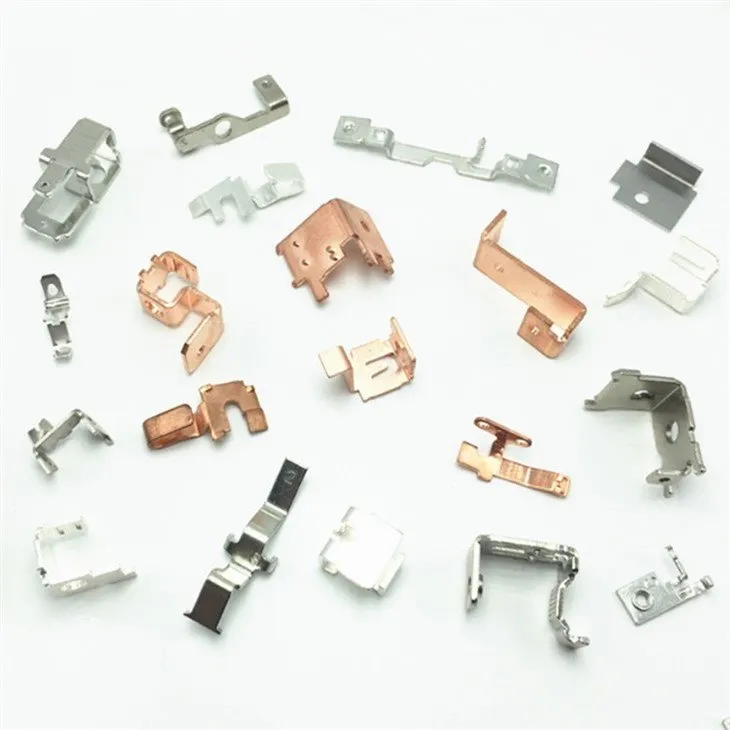

Understanding the Basics of Quality Control in Stamping Tooling
First things first, we gotta understand what quality control in stamping tooling actually means. It's all about makin' sure that every single tool we produce meets or beats the standards set by our customers and the industry. This means that the tools are precise, durable, and can pump out high - quality stamped parts over and over again.
Quality control isn't just about checkin' the final product, either. It's a process that starts right from the design phase and continues through every step of production, all the way to delivery. This holistic approach ensures that we catch any potential issues early on and fix 'em before they turn into major problems.
Design Phase Quality Control
The design phase is where the magic happens, and it's also the foundation of a good quality control system. When we're designin' a stamping tool, there are several key factors we need to consider.
Design Accuracy
The design has to be spot - on. We need to use the latest software and technologies to create detailed 3D models of the tool. These models help us visualize how the tool will work, identify any potential design flaws, and make necessary adjustments before we even start cuttin' metal. For instance, if we're workin' on a Metal Stamping Dies, we need to ensure that the die geometry is precise to produce parts with the right dimensions and tolerances.
Material Selection
Picking the right materials is crucial. Different stamping applications require different types of materials, and we need to make sure that the materials we choose are strong enough, wear - resistant, and can handle the stresses of the stamping process. For complex stamping jobs, we might use high - grade tool steels that offer a good balance of hardness and toughness.
Design for Manufacturability
When we're designing the tool, we also need to think about how it's going to be made. A design that's easy to manufacture is more likely to result in a high - quality tool. This means considerin' things like the manufacturing process, the availability of machining equipment, and the skills of our production team. For example, if we're designin' a Progressive Stamping Tool, we need to ensure that the layout of the die stations is optimized for efficient production.
Production Phase Quality Control
Once the design is finalized, it's time to move into production. This is where we really start puttin' our quality control system to the test.
In - Process Inspections
We need to conduct regular inspections at every stage of production. This includes checkin' the raw materials when they arrive, inspectin' the machining operations as they're happening, and lookin' at the sub - assemblies as they're bein' put together. For example, when we're machining the die components, we use precision measuring tools like calipers, micrometers, and coordinate measuring machines (CMMs) to ensure that the dimensions are within the specified tolerances.
Machine Calibration
All the machines used in the production process need to be calibrated regularly. This includes the CNC machines, the presses, and any other equipment. Proper calibration ensures that the machines are operatin' at their best and producing parts with consistent quality. If a machine isn't calibrated correctly, it can lead to parts that are out of spec, which can cause problems down the line.
Operator Training
Our production team plays a huge role in quality control. That's why we need to make sure that they're well - trained and know how to operate the equipment properly. We provide regular training sessions to keep our operators up - to - date on the latest techniques and best practices. For example, when workin' on Metal Tooling For Shielding Case, the operators need to know how to handle the delicate materials and ensure that the tooling is assembled correctly.
Final Inspection and Testing
After the stamping tool is fully assembled, it's time for the final inspection and testing. This is the last line of defense before the tool goes out to the customer.
Visual Inspection
We start with a visual inspection of the entire tool. We're lookin' for any obvious defects like cracks, scratches, or misaligned components. This might seem like a simple step, but it can catch a lot of issues that might otherwise go unnoticed.
Functional Testing
The most important part of the final quality control is the functional testing. We put the tool through its paces on a real - world stamping press to see how it performs. We're checkin' things like the accuracy of the stamped parts, the cycle time, and the overall stability of the tool. If any issues are detected during the functional testing, we go back and make the necessary adjustments until the tool meets all the requirements.
Continuous Improvement
A quality control system isn't somethin' that you set up and forget about. It's an ongoing process of continuous improvement. We need to collect data from every production run and analyze it to identify areas where we can make improvements.
Data Collection
We use a variety of methods to collect data, including inspection reports, production logs, and customer feedback. This data gives us a clear picture of where things are goin' well and where there are problems.
Root Cause Analysis
When we identify an issue, we don't just fix the symptom. We dig deep to find the root cause of the problem. Once we know the root cause, we can implement corrective actions to prevent the same problem from happenin' again in the future.
Employee Involvement
Our employees are on the front lines, and they often have great ideas for improvement. We encourage them to share their suggestions and involve them in the continuous improvement process. This not only helps us improve the quality control system but also boosts employee morale.
Conclusion
Establishing a quality control system for stamping tooling production is a complex but essential task. By focusin' on the design phase, implementin' strict production - phase quality control measures, conductin' thorough final inspections and tests, and commitin' to continuous improvement, we can ensure that we produce high - quality stamping tools that meet our customers' needs.
If you're in the market for stamping tooling and are lookin' for a supplier who takes quality seriously, we'd love to hear from you. Whether you need a Metal Stamping Dies, Metal Tooling For Shielding Case, or a Progressive Stamping Tool, we've got the expertise and the quality control system in place to deliver top - notch products. Reach out to us to start a discussion about your stamping tooling needs.
References
- Quality Control Handbook by Arthur Fryer
- Metal Stamping: Theory and Practice by George Drozda