


When embarking on a project that requires CNC aluminium parts, the selection process can be both critical and challenging. As a seasoned supplier of CNC Aluminium Parts, I understand the complexities involved and am here to guide you through the essential steps to choose the right parts for your specific project.
Understanding Your Project Requirements
The first and most crucial step in selecting the right CNC aluminium parts is to have a clear understanding of your project requirements. Consider the following aspects:
Functionality
What is the primary function of the part within your project? Is it a structural component that needs to bear significant loads, or is it a decorative element with more aesthetic requirements? For example, if you are building a high - performance machine, the parts need to be able to withstand high stress and precision. On the other hand, if it's for a consumer product, the appearance and finish might be more important.
Dimensions and Tolerances
Accurate dimensions are vital for the proper fit and function of the parts. Determine the exact size requirements, including length, width, height, and any specific diameters or thicknesses. Additionally, consider the tolerances – the allowable deviation from the specified dimensions. Tighter tolerances generally mean higher precision but also potentially higher costs. For instance, in aerospace applications, extremely tight tolerances are often required to ensure safety and performance.
Environmental Conditions
Think about the environment in which the parts will operate. Will they be exposed to high temperatures, moisture, chemicals, or extreme pressures? Aluminium has good corrosion resistance, but different alloys and surface treatments can enhance its performance in specific environments. For example, parts used in marine environments may require additional protective coatings to prevent corrosion from saltwater.
Types of CNC Aluminium Parts
There are various types of CNC aluminium parts available, each with its own characteristics and applications.
Milling Components
Milling is a common machining process used to create complex shapes and features on aluminium parts. milling components can include brackets, frames, and custom - designed parts. They are often used in machinery, automotive, and electronics industries. Milling allows for high precision and the ability to create intricate details, making it suitable for parts with complex geometries.
Cnc Machined Metal Colorful Holder Frame
These are specialized parts that not only serve a functional purpose but also add an aesthetic element. Cnc Machined Metal Colorful Holder Frame can be used in display units, consumer electronics, or architectural applications. The colorful finish can be achieved through anodizing or other surface treatment processes, providing both protection and a visually appealing look.
Aluminium Machining Parts
This is a broad category that encompasses all parts machined from aluminium. Aluminium Machining Parts can range from simple blocks and bars to highly customized components. They are widely used in various industries due to aluminium's lightweight, strength, and machinability.
Selecting the Right Aluminium Alloy
Aluminium alloys are formulated by combining aluminium with other elements to enhance specific properties. Here are some common alloys and their applications:
6061 Aluminium Alloy
This is one of the most widely used aluminium alloys. It has good strength, corrosion resistance, and machinability. 6061 is commonly used in automotive parts, aerospace components, and general - purpose machinery. It can be easily welded and anodized, making it a versatile choice for a wide range of applications.
7075 Aluminium Alloy
Known for its high strength - to - weight ratio, 7075 is often used in aerospace and high - performance sports equipment. It has excellent mechanical properties but is more difficult to machine compared to 6061. However, the superior strength makes it suitable for applications where weight reduction and high strength are critical.
5052 Aluminium Alloy
This alloy is valued for its excellent corrosion resistance, especially in marine environments. It has good formability and is commonly used in sheet metal applications, such as boat hulls, fuel tanks, and decorative panels.
Surface Finish and Treatment
The surface finish of CNC aluminium parts can significantly affect their appearance, performance, and durability.
Anodizing
Anodizing is a popular surface treatment for aluminium parts. It creates a hard, protective oxide layer on the surface, improving corrosion resistance and wear resistance. Anodizing can also be used to achieve different colors, enhancing the aesthetic appeal of the parts. For example, in consumer products, anodized aluminium parts can give a sleek and modern look.
Powder Coating
Powder coating is another option for providing a durable and attractive finish. It involves applying a dry powder to the part's surface and then baking it to form a hard, smooth coating. Powder coating can offer a wide range of colors and textures, and it provides good protection against scratches, chips, and UV rays.
Polishing
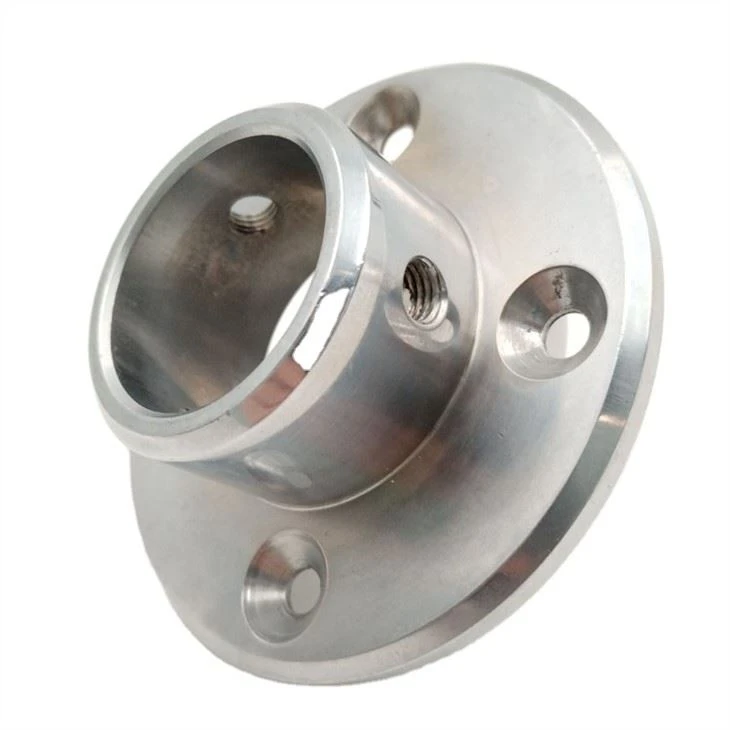
Polishing can be used to achieve a smooth, reflective surface on aluminium parts. It is often used for decorative purposes or in applications where a high - quality finish is required, such as in jewelry or high - end consumer electronics.
Supplier Selection
Choosing the right supplier is as important as selecting the right parts. Here are some factors to consider when choosing a CNC aluminium parts supplier:
Experience and Expertise
Look for a supplier with extensive experience in CNC machining and a deep understanding of aluminium materials. An experienced supplier will be able to offer valuable advice on alloy selection, machining processes, and surface treatments based on your project requirements.
Quality Control
A reliable supplier should have a strict quality control system in place. This includes using advanced inspection equipment to ensure that the parts meet the specified dimensions and quality standards. Ask about the supplier's quality certifications, such as ISO 9001, which indicates a commitment to quality management.
Production Capacity
Consider the supplier's production capacity to ensure that they can meet your project's volume requirements within the desired timeframe. A supplier with a large production facility and efficient manufacturing processes will be able to handle both small - scale and large - scale orders.
Customer Service
Good customer service is essential for a smooth and successful partnership. A responsive supplier will be able to answer your questions promptly, provide regular updates on the production progress, and address any issues or concerns that may arise during the project.
Cost Considerations
Cost is always a factor in any project. While it's important to find a cost - effective solution, it's equally important not to compromise on quality.
Material Costs
The cost of aluminium alloys can vary depending on the type and availability. As mentioned earlier, some alloys, such as 7075, are more expensive due to their superior properties. Consider the trade - off between the cost of the material and the performance requirements of your project.
Machining Costs
The complexity of the machining process and the required tolerances can significantly affect the machining costs. Parts with complex geometries or tight tolerances will generally cost more to machine. However, working with an experienced supplier can help optimize the machining process and reduce costs without sacrificing quality.
Surface Treatment Costs
Surface treatments such as anodizing, powder coating, or polishing will add to the overall cost of the parts. Evaluate the benefits of each treatment in terms of performance and aesthetics and choose the most appropriate option for your project.

Conclusion
Selecting the right CNC aluminium parts for your project requires careful consideration of various factors, including project requirements, part types, alloy selection, surface finish, supplier selection, and cost. By following the guidelines outlined in this blog, you can make an informed decision and ensure that the parts you choose meet your project's needs both functionally and aesthetically.
If you are in the process of sourcing CNC aluminium parts for your project, I invite you to reach out to discuss your specific requirements. As a professional supplier, I am committed to providing high - quality parts and excellent customer service. Let's work together to bring your project to life.
References
- "Aluminium Alloys: Structure and Properties" by John E. Hatch
- "CNC Machining Handbook" by Peter Smid
- "Surface Finishing of Aluminium" by R. E. B. Makar