


Hey there! As a supplier of brass contacts, I'm super excited to take you through the whole process of how these nifty little components are made. Brass contacts are used in a ton of different industries, from electronics to automotive, and they play a crucial role in making sure everything works smoothly. So, let's dive right in!
Starting with the Basics: What is Brass?
First things first, brass is an alloy made up of copper and zinc. The ratio of these two metals can vary, which gives brass different properties like hardness, conductivity, and corrosion resistance. For making contacts, we usually pick a brass alloy that has good electrical conductivity and is easy to work with.
Sourcing the Raw Materials
We start by getting high - quality brass in the form of sheets or coils. It's super important to source from reliable suppliers because the quality of the raw material directly affects the final product. We check the composition of the brass to make sure it meets our standards for things like conductivity and strength.
Cutting the Brass
Once we have the brass sheets or coils, the next step is to cut them into the right size. We use different cutting methods depending on the shape and size of the contacts we're making. Sometimes, we use shearing machines for straight cuts. These machines have sharp blades that can quickly cut through the brass. Other times, for more complex shapes, we use laser cutting. Laser cutting is really precise and can create detailed shapes with clean edges.
Stamping Process
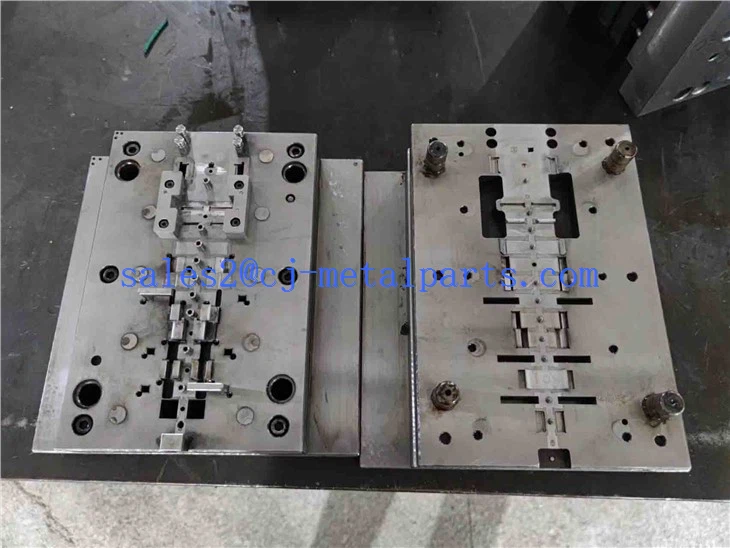
After cutting, the brass pieces go through the stamping process. This is where things get really interesting! Stamping is a process where we use a stamping press to shape the brass into the final contact design. We have custom - made dies for each type of contact. These dies are like molds that give the brass its specific shape.
The stamping press applies a lot of force to press the brass against the die. It can do this really quickly, making it a great way to mass - produce contacts. There are different types of stamping presses, like mechanical presses and hydraulic presses. Mechanical presses are usually faster and are great for high - volume production. Hydraulic presses, on the other hand, can apply more force and are better for making thicker or more complex contacts.
If you're interested in the stamping process, you can check out Brass Stamping for more detailed information.
Trimming and Finishing
Once the contacts are stamped, they often have some extra material around the edges. We use trimming machines to remove this excess material and make the contacts the right size and shape. After trimming, the contacts go through a finishing process. This can involve deburring to remove any sharp edges or burrs that might have been created during stamping and trimming.
We also might do some surface finishing to improve the appearance and performance of the contacts. For example, we can apply a plating to the contacts. Plating can protect the brass from corrosion and improve its conductivity. Common plating materials include nickel, silver, and gold.
Quality Control
Quality control is a big part of the whole process. We have a team of quality control experts who check each batch of contacts. They use different tools and techniques to make sure the contacts meet our strict quality standards. For example, they use calipers to measure the dimensions of the contacts to make sure they're within the specified tolerance. They also test the electrical conductivity of the contacts to ensure they work properly.
Assembly (if required)
In some cases, the brass contacts need to be assembled with other components. For example, they might be part of a larger electrical connector. We have assembly lines where workers carefully put the contacts together with other parts. This requires a lot of precision and attention to detail.
Packaging
Once the contacts pass all the quality checks, it's time to package them. We use different types of packaging depending on the customer's requirements. For small - quantity orders, we might use plastic bags or small boxes. For large - quantity orders, we use bigger cartons or pallets. The packaging is designed to protect the contacts during shipping and storage.
Why Choose Our Brass Contacts?
We've been in the business of making brass contacts for a long time, and we've built a reputation for quality and reliability. Our contacts are made using the latest technology and high - quality materials. We also offer custom - made solutions, so if you have a specific design or requirement, we can work with you to create the perfect contacts for your needs.

If you're looking for other related products, you might be interested in Flexible Busbar Copper and Stamping Press Parts.
Let's Do Business!
If you're in the market for brass contacts, we'd love to hear from you. Whether you're a small business or a large corporation, we can provide you with the right contacts at a competitive price. We're committed to providing excellent customer service and making sure you're satisfied with your purchase. So, don't hesitate to reach out and start a conversation about your brass contact needs.
References
- "Metals Handbook: Properties and Selection: Nonferrous Alloys and Pure Metals", ASM International
- "Manufacturing Engineering and Technology", S. Kalpakjian and S. Schmid