


Yo, I'm a supplier of brass connectors, and I often get asked this question: Are brass connectors affected by salt water? Well, let's dig into this topic and find out.
First off, brass is an alloy made mainly of copper and zinc. It's known for its durability, malleability, and good electrical conductivity, which makes it a popular choice for all sorts of connectors. You can check out our Brass Electrical Wire Connectors, Brass Connector for Hose, and Brass Electrical Terminal Connector on our website.
Now, salt water is a whole different ballgame. It's a corrosive environment because of the dissolved salts, mainly sodium chloride. When brass comes into contact with salt water, a chemical reaction can occur. This reaction is called corrosion, and it can have some pretty significant effects on the brass connectors.
One of the main issues with salt water corrosion is that it can cause the brass to lose its structural integrity. The corrosion process can eat away at the surface of the brass, making it weaker over time. This is especially a problem for connectors that are under stress or need to maintain a tight fit. For example, in a marine environment where brass connectors are used to join hoses or electrical wires, the corrosion can lead to leaks or poor electrical connections.
Another problem is that the corrosion products can build up on the surface of the brass. These products can be a crusty or powdery substance that can interfere with the proper functioning of the connector. In the case of electrical connectors, the corrosion products can increase the resistance, which can lead to overheating and even failure of the electrical system.
But it's not all doom and gloom. The extent to which brass connectors are affected by salt water depends on a few factors. One of the most important factors is the composition of the brass. Different types of brass have different ratios of copper and zinc, and some compositions are more resistant to corrosion than others. For example, brass with a higher copper content tends to be more resistant to salt water corrosion.
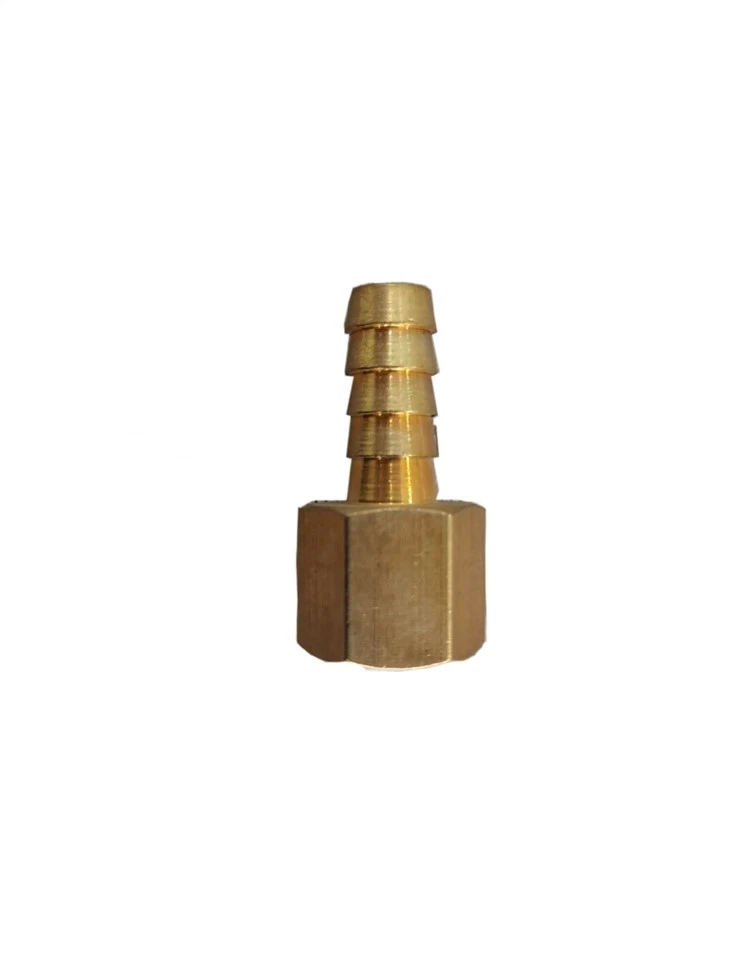

The design of the connector also plays a role. Connectors that are well-designed and have a smooth surface are less likely to trap salt water and debris, which can reduce the risk of corrosion. Additionally, proper installation and maintenance can go a long way in preventing salt water corrosion. For example, making sure that the connectors are properly sealed and regularly cleaned can help to extend their lifespan.
There are also some protective measures that can be taken to reduce the impact of salt water on brass connectors. One option is to coat the brass with a protective layer, such as a paint or a plating. This can act as a barrier between the brass and the salt water, preventing the corrosion reaction from occurring. Another option is to use a corrosion inhibitor. These are chemicals that can be added to the salt water or applied to the surface of the brass to slow down the corrosion process.
In my experience as a brass connector supplier, I've seen many cases where customers have faced problems with salt water corrosion. But I've also seen how proper selection, installation, and maintenance can make a big difference. For example, a customer who was using our brass connectors in a coastal area was experiencing frequent failures due to corrosion. After we recommended a different type of brass with a higher copper content and advised on proper maintenance, the connectors lasted much longer and the customer was very happy.
So, to answer the question, yes, brass connectors can be affected by salt water. But with the right knowledge and precautions, you can minimize the impact and ensure that your connectors perform well in a salt water environment.
If you're in the market for brass connectors and need them to work in a salt water environment, don't hesitate to reach out. We can help you choose the right type of brass connectors for your specific needs and provide you with advice on how to keep them in top condition. Whether it's for a marine application, a coastal industrial project, or any other situation where salt water is a factor, we've got you covered.
Let's work together to find the best brass connectors for your project and make sure they stand up to the challenges of salt water. Contact us today to start the conversation and get the ball rolling on your procurement.
References
- "Corrosion of Metals in Seawater" - A technical report on the corrosion of various metals, including brass, in seawater.
- "Brass Alloys: Properties and Applications" - A comprehensive guide to the properties and applications of different brass alloys, including their resistance to corrosion.